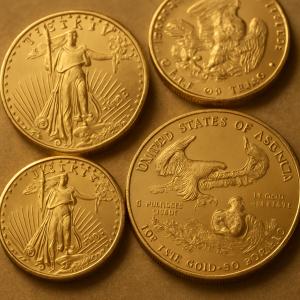
How is the current gold price determined and what factors influence it?
Gold has long been a symbol of wealth and stability. Its value transcends cultures and centuries. But how is the current gold price determined?
Understanding gold pricing is crucial for investors and analysts. It involves a complex interplay of factors. These include supply and demand, economic indicators, and geopolitical events.
The London Bullion Market Association (LBMA) plays a key role. It sets the benchmark price for gold twice daily. This price influences global markets.
Gold is often seen as a safe-haven asset. During economic uncertainty, its demand typically rises. This can lead to significant price fluctuations.
Central banks and their policies also impact gold prices. Interest rates and monetary policies can drive demand. Currency fluctuations, especially the US dollar, further influence gold valuation.
Inflation rates are another critical factor. As inflation rises, gold often becomes more attractive. It serves as a hedge against currency devaluation.
Investors must stay informed about gold price updates. Market insights and analysis are essential for making informed decisions. Understanding historical trends can provide valuable context.
In this article, we will explore these dynamics. We aim to provide a comprehensive guide to gold price determination.
Understanding Gold as an Asset
Gold is cherished for its enduring value and versatility. It holds a unique position in the world of investments. Unlike paper currencies, gold is a tangible asset.
Investors consider gold a safe haven during uncertain times. Its stability provides comfort when other markets fluctuate wildly. This psychological assurance boosts its appeal.
Historically, gold is resistant to inflation. When currencies depreciate, gold often remains steady. This attribute makes it an essential part of diversified portfolios.
Gold’s allure extends beyond financial markets. It has cultural significance in many societies. From weddings to religious ceremonies, gold is inextricably linked to tradition.
Demand for gold spans numerous sectors. Industries use it for electronics, while it also plays a role in dentistry. Moreover, jewelry accounts for a substantial portion of its consumption.
The intrinsic nature of gold as a precious metal supports its value. Its limited availability adds to its allure. Mining is challenging, requiring significant resources and technology.
Here’s a brief list summarizing gold’s core attributes:
- Tangible and long-lasting
- Resistant to inflation
- Influenced by cultural factors
- Used in diverse industries
- Limited supply
These characteristics position gold as a unique and versatile asset. Investors and analysts alike value it for these reasons. Understanding its role can offer deeper insights into its market behavior.

The Mechanics of Gold Price Determination
Gold prices are set by a mixture of global market forces. Supply and demand, geopolitical tensions, and economic data all play significant roles. These factors create a complex and fluid pricing environment.
Traders and analysts constantly adjust their strategies in response to these changes. They monitor diverse indicators, including interest rates and currency values. Each factor influences investor sentiment and trading behavior.
The futures market also plays a vital role in price determination. Contracts speculating on future gold prices impact current market trends. These contracts are used by different market players to hedge or speculate.
Moreover, exchange-traded funds (ETFs) influence gold prices. They provide easy access to gold investments without owning physical gold. ETFs drive demand and affect prices by altering supply and demand equations.
Central to price determination are fixed gold benchmarks. The most renowned is set by the London Bullion Market Association (LBMA). However, prices also emerge from electronic trading platforms and major financial exchanges.
Here’s a concise list of key players in gold price determination:
- Central banks
- Mining companies
- Large institutional investors
- Individual traders
- Speculators
Together, these elements create a dynamic pricing ecosystem. Investors must stay informed about economic, political, and market developments. This approach ensures they can adeptly navigate the gold market.

The Role of the London Bullion Market Association (LBMA)
The London Bullion Market Association (LBMA) is crucial in setting gold prices. Twice daily, it announces the widely accepted gold benchmark price. This process is called the “London Fix.”
The LBMA ensures transparency and reliability in the gold market. It brings together major financial institutions and mining companies. These entities contribute to forming a fair market-based price.
The “London Fix” is significant for various reasons. It serves as a reference for contracts and pricing of gold-related products. Many investors use it to guide their trading decisions.
Apart from establishing benchmark prices, the LBMA promotes best practices. It sets standards for gold purity and responsible sourcing. These efforts support the integrity and sustainability of the gold market.
Understanding the LBMA’s role helps investors grasp broader market dynamics. As a key institution, it influences how gold is valued globally. Its actions affect traders, manufacturers, and consumers alike.
Spot Price vs. Futures Price
Spot prices and futures prices are distinct yet interconnected. The spot price is the current market value of gold for immediate delivery. It reflects real-time trading activity.
In contrast, futures prices are agreements to buy gold at a set price in the future. They predict market sentiments rather than present conditions. Various economic factors influence these future contracts.
Futures contracts provide several benefits. They allow investors to hedge against price changes. Additionally, they enable speculation on future price directions.
Here’s a quick comparison of spot and futures prices:
- Spot Price: Current value, immediate settlement
- Futures Price: Agreement for future delivery, involves speculation
- Key Users: Traders, manufacturers, investors
- Purpose: Price discovery, risk management
These price types cater to different market participants. Both play a role in shaping the overall gold market. As such, savvy investors understand how to navigate each market.
 by 3D Render (https://unsplash.com/@3drender)
Key Factors Influencing Gold Prices
Multiple factors play pivotal roles in shaping gold prices. They range from tangible elements like mining output to intangible factors such as geopolitical stability. Each element provides insight into market dynamics.
One primary influencer is the global balance of supply and demand. Changes in either can lead to price adjustments. For instance, increased mining output may lower prices, while limited supply boosts demand.
Economic factors like interest rates and inflation rates also affect gold prices. Low interest rates may lead investors to seek refuge in gold. Inflationary pressures often cause gold prices to spike as well.
Currency values, particularly the US dollar, strongly affect gold pricing. Gold prices usually move inversely to the dollar’s strength. When the dollar weakens, gold becomes more attractive as a store of value.
Geopolitical events can trigger sudden shifts in the gold market. Situations such as trade tensions or conflicts often increase gold demand. Investors view gold as a safe haven in times of crisis.
In summary, here are key factors influencing gold prices:
- Supply and demand changes
- Interest rates and monetary policy
- Currency fluctuations
- Inflationary pressures
- Geopolitical events
Understanding these variables helps investors make informed decisions. Regular analysis of these elements can provide valuable insights. This knowledge is crucial for navigating gold market trends.
 by Kanchanara (https://unsplash.com/@kanchanara)
Supply and Demand Dynamics
Supply and demand dynamics are fundamental to gold price determination. The balance between how much gold is available and its demand heavily impacts prices. Various factors affect both supply and demand in distinct ways.
Supply primarily depends on mining output and recycling rates. High production levels may lower prices, whereas limited output pushes prices up. Recycling also contributes to gold’s availability in the market.
Demand for gold comes from multiple sectors such as jewelry, electronics, and investments. A rise in jewelry demand, particularly in countries like India and China, often elevates gold prices. Meanwhile, technology’s role in demand is expanding.
The introduction of new technologies can affect demand positively. For instance, advancements increasing gold’s use in electronics can heighten demand. Conversely, shifts in consumer preferences can lead to decreased demand for jewelry.
Here is a summary of supply and demand dynamics:
- Supply Factors: Mining production, recycling, technological advancements
- Demand Factors: Jewelry, investments, industrial use
Monitoring these dynamics helps predict price movements. They reflect broader economic, cultural, and technological trends. As such, they remain crucial for anyone engaged in gold investment or market analysis.
 by Zayed Ahmed Zadu (https://unsplash.com/@zayed_ahmed_zadu)
Central Banks and Monetary Policy
Central banks play a significant role in influencing gold prices through their monetary policies. They hold large reserves of gold, impacting supply and demand dynamics globally. Changes in these reserves can signal shifts in market trends.
Interest rates set by central banks influence gold prices directly. Lower interest rates make bonds and savings less attractive, nudging investors towards gold. Higher rates tend to have an opposite effect, decreasing gold demand.
Monetary policy also impacts inflation expectations. Central banks using policies like quantitative easing can lead to inflation fears, benefiting gold prices. Investors flock to gold as a hedge against potential inflation.
Central banks themselves are major buyers of gold. Their purchasing or selling activity can cause significant price fluctuations. Gold is a strategic asset for reserve diversification for many central banks.
Their policies and actions serve as critical indicators for gold market participants. Understanding central bank behavior helps investors anticipate potential market movements. This knowledge forms an integral part of any comprehensive gold market analysis.
Currency Fluctuations and the US Dollar
Currency fluctuations, especially the US dollar, are vital in determining gold prices. Gold is typically priced in dollars, so currency value shifts have immediate effects. Generally, gold prices move inversely to the dollar’s strength.
When the dollar weakens, gold becomes cheaper for buyers using other currencies. This tends to increase demand, driving up prices. Conversely, a strong dollar makes gold more expensive globally, reducing demand.
Several factors influence currency fluctuations and, by extension, gold prices. These include changes in interest rates, economic growth indicators, and trade balances. Political instability can also cause currency volatility, indirectly affecting gold.
Below are factors that influence currency fluctuations affecting gold:
- Interest rate changes
- Economic performance
- Trade policies and deficits
- Political stability
Monitoring currency trends can provide crucial insights. Investors can anticipate shifts in gold prices by tracking these factors. Currency analysis is, therefore, an essential tool for those interested in gold investments.
Inflation and Economic Indicators
Inflation has a direct impact on gold prices. Rising inflation erodes purchasing power, making gold a more attractive option for preserving wealth. Investors often turn to gold as a hedge against inflation.
Economic indicators like GDP growth and unemployment rates can also influence gold. Strong economic growth usually boosts currencies and may lower gold demand. However, economic instability can heighten its appeal.
Central banks’ actions in response to inflation influence gold market dynamics. Monetary policy adjustments are closely watched by gold investors. These policies often serve as a guide to future price movements.
Inflation and economic growth work in tandem to affect gold prices. While inflation drives prices up, economic indicators provide context. They offer a comprehensive picture of market sentiment and potential price directions.
Understanding how these elements interact allows investors to better navigate the gold market. Knowledge of inflation trends and economic health is invaluable. It serves as a foundational component in making strategic gold investment decisions.
 by Hakan Nural (https://unsplash.com/@hakannural)
Geopolitical Events and Market Sentiment
Geopolitical events often have a profound effect on gold prices. Conflicts, trade wars, and political instability drive investors towards gold as a safe haven. These events create market uncertainty, increasing gold’s allure.
Market sentiment is deeply influenced by geopolitical news. The anticipation of events can lead to preemptive changes in gold demand. Sentiment swings can cause rapid and significant price fluctuations.
Events like sanctions or diplomatic tensions can prompt investor caution. Gold typically benefits from this uncertainty as it is seen as a stable asset. Consequently, gold demand and prices may rise in response to global instability.
Several factors highlight how geopolitical elements impact gold:
- Political conflicts or unrest
- Trade negotiations and agreements
- Diplomatic shifts
These elements of geopolitical tension make forecasting market behavior challenging. However, they offer opportunities for astute investors. Awareness of ongoing geopolitical developments is essential for those involved in the gold market.
 by Julio Klinger (https://unsplash.com/@julio_klinger)
Gold Price Fluctuations: Historical Trends and Patterns
Gold price fluctuations have displayed both volatility and long-term growth over decades. Investors use historical trends to identify patterns and make informed decisions. Understanding these trends helps predict potential future shifts in the gold market.
Historically, gold has seen periods of sharp increases during economic downturns. For example, during the 2008 financial crisis, gold prices surged as investors sought safe assets. Such crises highlight gold’s role as a stabilizing asset.
Seasonal trends also contribute to gold price fluctuations. Demand often spikes during the year-end holiday season and wedding seasons in countries like India. These periods see increased jewelry purchases, affecting prices.
Political events have historically led to price spikes. Geopolitical tensions and wars often trigger increased demand for gold. Its appeal as a crisis hedge causes prices to soar in turbulent times.
Over the long term, gold prices have generally trended upwards despite short-term volatility. This long-term growth is influenced by inflation and currency devaluation. Investors view gold as a reliable store of value over time.
Analyzing historical gold price patterns offers several insights:
- Economic crisis impact on gold prices
- Seasonal demand variations
- Geopolitical event-driven spikes
Such analysis can guide investment strategies. It helps in anticipating market movements by providing context and depth. Investors can use these trends to shape their gold-related strategies effectively.
Despite various influences, gold’s enduring value remains consistent. Its historical performance underscores its importance in diversified investment portfolios. By studying past trends, investors can navigate the complexities of the gold market successfully.

Gold Market Analysis: Tools and Methods
Gold market analysis involves a mix of tools and methods to interpret price movements. These techniques help investors understand market dynamics and forecast future trends. Accurate analysis is crucial for effective gold investment strategies.
Two main types of analysis dominate the market: technical and fundamental. Technical analysis focuses on price charts and patterns. Fundamental analysis examines economic indicators and intrinsic value assessments.
Investors also utilize sentiment analysis to gauge market emotions. This involves understanding investor behavior and market trends influenced by psychological factors. Such insights can signal potential shifts in gold prices.
Data analytics plays a role in modern gold market analysis. Advanced algorithms and big data help interpret market movements more precisely. These technological tools offer a deeper look into market trends and anomalies.
Technical tools like moving averages and oscillators are popular among traders. They help identify overbought or oversold conditions. These tools guide entry and exit points in gold trading.
Fundamental tools consider economic data, geopolitical developments, and financial reports. These factors affect gold’s demand and supply balance. Understanding these elements aids in predicting price movements over time.
Sentiment tools include surveys, indexes, and news analysis. They reveal market consensus and sentiment trends. These tools can highlight turning points in market moods.
Effective analysis combines these tools to form a comprehensive outlook. It guides investors in making informed decisions in the gold market. Through thoughtful analysis, market participants can navigate complexities and capitalize on opportunities.
 by Isaac Smith (https://unsplash.com/@isaacmsmith)
Technical Analysis in Gold Markets
Technical analysis uses historical data to predict future price movements. Traders focus on charts, patterns, and trends. This analysis aims to identify investment opportunities based on past performance.
Common tools in technical analysis include:
- Moving averages: Smooth out price data to highlight trends.
- Candlestick patterns: Reveal potential market direction shifts.
- Relative strength index (RSI): Measures momentum to identify buy/sell signals.
These tools help traders make sense of market fluctuations. By studying charts, investors can pinpoint support and resistance levels. This strategic approach aids in setting entry and exit points.
Technical analysis does not rely on fundamentals. Instead, it explores repeating patterns. By understanding these patterns, traders aim for profitable outcomes in the gold market.
 by Jakub Żerdzicki (https://unsplash.com/@jakubzerdzicki)
Fundamental Analysis and Sentiment Analysis
Fundamental analysis evaluates economic indicators affecting gold. It looks at GDP growth, inflation rates, and central bank policies. These factors help assess gold’s intrinsic value relative to the broader economy.
Key components include:
- Economic reports: Guide gold’s demand/supply perspective.
- Geopolitical events: Affect gold prices through market sentiment.
- Financial health: Company and market financials provide industry insights.
Fundamental analysis complements technical charts with macroeconomic context. It offers a broader view of the factors driving gold’s market value.
Sentiment analysis, on the other hand, tracks market emotions. It identifies trends using surveys, news, and social media sentiment. This analysis can highlight investor optimism or fear impacting gold prices.
Together, fundamental and sentiment analysis offer comprehensive insights. They help investors understand both objective and subjective market influences, guiding strategic investment decisions.
 by Joey Dean (https://unsplash.com/@joeydean)
Gold Price Forecasts and Market Insights
Forecasting gold prices involves analyzing various market elements. Experts consider historical trends, economic indicators, and geopolitical shifts. These forecasts guide investors in planning their strategies.
Analysts use diverse methods to predict gold’s future price movements. Economic reports are key components. They include inflation rates, employment data, and currency valuations that influence gold demand and supply.
Geopolitical events often add complexity to gold price predictions. Tensions or conflicts can trigger market volatility, impacting gold as a safe-haven asset. Market insights consider these uncertainties, offering a balanced forecast.
Technological tools also aid in price forecasting. Machine learning and AI analyze big data to spot patterns. This approach enhances the precision of market predictions, identifying subtle signals often missed by traditional methods.
Seasonal patterns provide additional forecasting insights. Gold demand varies throughout the year, particularly during cultural festivals and wedding seasons in major markets like India and China. Recognizing these trends helps in preparing for price fluctuations.
Investor sentiment shifts also impact gold forecasts. Bullish or bearish attitudes can alter demand, consequently affecting prices. Analysts monitor these shifts using sentiment indicators, providing a more comprehensive forecast.
Market insights involve correlating these variables to form a coherent forecast. Investors rely on these projections to make informed decisions in a fluctuating market environment. By synthesizing data and expert analysis, investors strive to maximize their returns.
 by 3D Render (https://unsplash.com/@3drender)
Gold Investment Tips and Strategies
Investing in gold offers diverse strategies. A well-planned approach helps maximize returns while minimizing risks. Understanding these strategies is vital for any investor.
Diversification remains a key investment principle. Including gold in a portfolio can help reduce overall volatility. It acts as a hedge against economic downturns and currency devaluation.
Investors can choose between physical gold and paper gold. Physical gold includes coins and bars, providing tangible assets. Paper gold, such as ETFs, offers ease of trade and liquidity without storage concerns.
Understanding market cycles is crucial. Gold prices often rise during economic uncertainty. Recognizing these cycles aids in timing investments effectively. Patience often plays a significant role in achieving long-term gains.
Monitoring market news keeps investors informed of trends and changes. Staying updated on economic policies and geopolitical events can influence investment decisions. Regularly reviewing expert opinions and analysis supports well-informed strategies.
Risk management is another important aspect. Setting stop-loss orders and maintaining an appropriate asset allocation can shield against unforeseen losses. Preparedness ensures resilience in uncertain markets.
Here’s a quick checklist for gold investments:
- Diversify your investment portfolio.
- Stay informed with gold market insights.
- Choose the right balance between physical and paper gold.
- Understand market cycles and trends.
- Implement risk management techniques.
- Monitor geopolitical and economic news regularly.
Strategic gold investments can offer stability and growth during market volatility. By understanding diverse techniques, investors enhance their capability to navigate challenges and capitalize on opportunities.
 by Scottsdale Mint (https://unsplash.com/@scottsdalemint)
The Future of Gold: Trends, Innovations, and Challenges
Gold’s future is rich with potential and challenges. Technological advances continue to reshape gold production and trading. Innovations like blockchain and AI promise increased transparency and efficiency in gold transactions.
Sustainability is a growing concern. Eco-friendly mining practices are becoming essential as environmental policies tighten. Companies must adapt to these changes to meet regulatory requirements and public expectations.
Global demand for gold shifts with consumer preferences. Emerging markets, particularly India and China, dominate demand. Cultural factors and economic growth influence consumption trends and future market dynamics.
Investment in digital gold products is rising. These innovations offer convenient access and diversify investment options. Investors look to digital platforms to engage with gold economically and efficiently.
However, challenges persist. Volatility in geopolitical climates and fluctuating economic indicators can impact prices. Navigating these uncertainties requires adaptive strategies and vigilant market analysis.
Key points for future developments in gold:
- Adoption of green mining technologies.
- Expanding influence of digital gold platforms.
- Evolving consumer preferences and global demand.
- Increased role of technology in market analytics.
- Regulatory impacts on gold mining and trading.
Gold’s future holds opportunities and obstacles, each presenting unique investment prospects.
 by BoliviaInteligente (https://unsplash.com/@boliviainteligente)
Conclusion: Navigating the Gold Market
Understanding gold’s price dynamics is crucial for sound investment. The market is complex, driven by diverse factors. From economic indicators to geopolitical events, each plays a critical role in shaping gold’s value.
For investors, staying informed is essential. Regular updates on gold price fluctuations help in making strategic decisions. Analyzing historical trends and future forecasts provides valuable insights.
Diversification remains a key strategy. Gold has historically offered stability in volatile markets. It is often viewed as a hedge against currency devaluation and inflationary pressures.
By blending knowledge with foresight, investors can navigate the gold market effectively. Embracing technological tools and understanding market cycles are vital steps toward maximized opportunities and minimized risks.
Frequently Asked Questions
Question: How is the LBMA “London Fix” set, and how does it relate to the gold prices I see on trading screens?
Short answer: The London Bullion Market Association publishes a benchmark gold price twice daily—often called the “London Fix”—based on aggregated orders from major market participants to establish a fair, transparent reference price. It’s widely used for contracts, invoicing, and pricing gold-linked products. The prices you see on screens are typically spot prices from continuous electronic trading, reflecting real-time supply and demand. Futures prices, in turn, reflect expectations for future delivery and interest-rate/carry dynamics. All three—LBMA benchmarks, spot, and futures—interact and inform overall price discovery.
Question: Why do gold prices often move opposite the US dollar and react to interest rates?
Short answer: Gold is priced in US dollars globally. When the dollar weakens, gold becomes cheaper in other currencies, boosting non‑US demand and lifting the dollar price. A stronger dollar does the opposite. Interest rates affect gold via opportunity cost: higher rates make yield-bearing assets more attractive than non-yielding gold, typically pressuring gold; lower rates reduce that opportunity cost and can support gold. Central bank monetary policy, which steers rates and liquidity, therefore has a direct influence on gold demand and pricing.
Question: How do supply and demand actually shape gold prices day to day?
Short answer: On the supply side, mine production and recycling add metal to the market; constrained output or lower recycling tightens supply and can support prices. On the demand side, jewelry (notably in India and China), industrial uses (like electronics and dentistry), and investment (bars, coins, and ETFs) are key drivers. ETFs can change investment demand rapidly because they offer easy access without holding physical metal. Shifts in any of these components—more buying or less supply—alter the balance and move prices.
Question: What makes gold a “safe-haven,” and when does that label matter most?
Short answer: Gold is a tangible, scarce asset viewed as a store of value, historically resilient during inflation and periods of financial stress. In times of geopolitical tension, market turmoil, or economic uncertainty, investors often rotate into gold for perceived stability, which can drive sharp price spikes. Past crises (e.g., global financial downturns) illustrate how safe‑haven demand can quickly lift prices.
Question: How can investors analyze or forecast gold price movements effectively?
Short answer: Blend multiple approaches:
- Technical analysis (moving averages, candlestick patterns, RSI) to spot trends and timing.
- Fundamental analysis (inflation, interest rates, GDP, central bank policy, currency moves) to gauge macro drivers.
- Sentiment analysis (surveys, news flow) to capture shifts in market psychology.
- Data-driven tools (analytics, AI) to detect patterns and anomalies. Layer in seasonal and cultural demand patterns (e.g., festivals, wedding seasons) and monitor geopolitical developments to build a more robust view of potential price direction.