Gold Pricing
Gold has always been a fascinating asset, captivating investors and collectors alike. With its alluring shine and historical significance, gold plays a crucial role in financial markets. Understanding the intricacies of gold pricing is essential for anyone interested in this precious metal. In this article, we’ll explore gold price updates, fluctuations, history, and market trends, offering valuable insights for potential investors.

Summary
Gold prices are shaped by supply-demand dynamics, macroeconomic indicators (inflation, interest rates, currency strength), geopolitical events, and central bank actions. This article reviews key historical phases since the 1970s, examines current trends like ethical sourcing, technological advances, and digital gold, and outlines cautious 2025 expectations amid ongoing uncertainty. It compares gold with silver via the gold-to-silver ratio and offers investment tips. Core guidance includes diversification, staying informed, selecting the right gold vehicle (physical, ETFs, mining stocks), and maintaining a long-term view.
Understanding Gold Price Fluctuations
Gold prices don’t remain static; they fluctuate due to various factors. These fluctuations can be attributed to changes in supply and demand, economic indicators, and geopolitical events. Let’s delve into these factors to better understand how they influence gold prices.
Factors Influencing Gold Prices
- Supply and Demand: Like any other commodity, the balance between supply and demand significantly impacts gold prices. When demand exceeds supply, prices tend to rise, and vice versa.
- Economic Indicators: Gold is often seen as a safe haven during economic downturns. Inflation, interest rates, and currency strength are key economic indicators that can drive gold prices up or down.
- Geopolitical Events: Political instability or conflicts can lead to an increase in gold prices as investors seek security in gold during uncertain times.
The Role of Central Banks
Central banks play a pivotal role in the gold market. They hold significant gold reserves, and their buying or selling activities can influence prices. For example, if a central bank decides to increase its gold reserves, it can drive prices up due to increased demand.

A Glimpse into Gold Price History
Gold has been a valuable asset for centuries, but how have its prices evolved over time? To gain a comprehensive understanding, let’s examine the historical trends in gold pricing.
Gold Price Trends Over the Decades
- 1970s: The end of the Bretton Woods system led to significant fluctuations in gold prices. The metal’s value skyrocketed as it became a freely traded commodity.
- 1980s: Gold prices peaked in 1980 due to high inflation and geopolitical tensions. However, they stabilized in the later years of the decade.
- 2000s: The 2008 financial crisis prompted a surge in gold prices, as investors sought safe-haven assets amidst economic uncertainty.
- 2010s to Present: Gold prices have experienced volatility due to various factors, including global economic conditions and the COVID-19 pandemic.
Gold Market Trends and Forecast
As we look to the future, understanding gold market trends and forecasts becomes essential. Let’s explore what experts predict for the gold market and how it might impact investors.
Current Market Trends
- Sustainability and Ethical Sourcing: Consumers are increasingly concerned about the ethical sourcing of gold. This trend is influencing mining practices and impacting prices.
- Technological Advancements: Innovations in mining and refining processes are making gold extraction more efficient, potentially affecting supply and prices.
- Digital Gold: The rise of digital gold platforms allows investors to buy and sell gold electronically, making it more accessible and potentially influencing demand.
Gold Price Forecast for 2025
Forecasting gold prices is inherently challenging due to numerous influencing factors. However, experts suggest a few potential trends:
- Steady Demand: With ongoing economic uncertainties, demand for gold is expected to remain robust, supporting prices.
- Geopolitical Influence: Continued geopolitical tensions may drive investors towards gold as a safe-haven asset.
- Technological Impact: Technological advancements in mining and trading could stabilize supply, affecting prices.

by 3D Render (https://unsplash.com/@3drender)
Gold and Silver Pricing Trends
Gold is often analyzed alongside silver, as both are precious metals with investment appeal. Let’s take a closer look at the pricing trends for both metals.
Comparative Analysis
- Gold vs. Silver: Historically, gold has been more expensive than silver due to its rarity and demand. However, silver offers unique investment opportunities due to its industrial uses.
- Market Dynamics: The gold-to-silver ratio, which compares the prices of these metals, provides insights into their relative value. Changes in this ratio can signal shifts in market dynamics.
Investment Insights and Tips
For those considering gold as an investment, understanding the market is crucial. Here are some tips to navigate the shimmering world of gold investments.
Gold Investment Tips
- Diversification: Gold should be part of a diversified investment portfolio. It acts as a hedge against inflation and economic downturns.
- Stay Informed: Keep an eye on market trends, economic indicators, and geopolitical events that may impact gold prices.
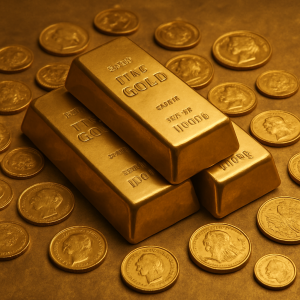
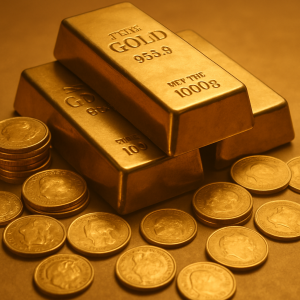
- Consider Different Forms: Gold investments come in various forms, including physical gold (bars and coins), gold ETFs, and gold mining stocks. Each has its pros and cons.
- Long-Term Perspective: Gold is often viewed as a long-term investment. Patience is key to weathering short-term fluctuations.
Conclusion
Gold pricing is a complex yet fascinating subject, influenced by numerous factors. Whether you’re an investor or simply interested in the market, understanding gold price updates, fluctuations, and trends is essential. By staying informed and making strategic decisions, you can navigate the shimmering world of gold with confidence.
Gold remains a valuable asset, offering stability and potential growth in uncertain times. As you explore the world of gold investments, remember to stay informed, diversify your portfolio, and keep a long-term perspective.
In conclusion, the allure of gold endures, and its pricing trends offer intriguing insights for investors and enthusiasts alike. Whether you’re drawn to its historical significance or its investment potential, gold continues to shine brightly in the financial world.
Q&A
Question: What are the main drivers behind gold price fluctuations?
Short answer: Gold prices move with shifts in supply and demand, macroeconomic conditions, geopolitical events, and central bank actions. When demand outpaces supply, prices rise; when supply is ample or demand softens, they fall. Inflation, interest rates, and currency strength shape investor behavior—gold often attracts “safe haven” flows during downturns or high inflation. Geopolitical tensions can spark buying as investors seek stability. Central banks, which hold large reserves, can also sway prices through their purchases or sales.
Question: How do central banks influence the gold market?
Short answer: Central banks hold substantial gold reserves, so their decisions directly affect demand. Net buying typically supports prices by tightening available supply and signaling confidence in gold as a reserve asset. Conversely, net selling can add supply and weigh on prices. Because market participants watch central bank behavior closely, even policy shifts or stated intentions can influence sentiment and pricing.
Question: How has gold’s price evolved since the 1970s?
Short answer: The end of the Bretton Woods system in the 1970s unleashed significant volatility and a sharp rise as gold began trading freely. Prices peaked in 1980 amid high inflation and geopolitical tensions, then stabilized later in the decade. In the 2000s, the 2008 financial crisis drove a surge as investors sought safe-haven assets. From the 2010s to the present, gold has remained volatile, influenced by global economic conditions and shocks such as the COVID-19 pandemic.
Question: What current trends are shaping the gold market today?
Short answer: Three themes stand out: sustainability and ethical sourcing, technological advances, and digital access. Growing consumer focus on responsible mining is reshaping industry practices and can affect costs and pricing. Innovations in mining and refining improve efficiency, potentially influencing supply. Digital gold platforms make buying and selling easier, broadening access and potentially impacting demand patterns.
Question: How should investors approach gold now and into 2025?
Short answer: Expect uncertainty. Experts anticipate steady demand supported by ongoing economic and geopolitical risks, while technological improvements may help stabilize supply. Practical guidance is to use gold as part of a diversified portfolio, stay informed on economic indicators and geopolitical developments, choose the right vehicle (physical bars/coins, ETFs, or mining stocks) based on goals and risk tolerance, and maintain a long-term perspective to ride out short-term volatility.