gold cost in saudi arabia
Understanding the price of gold in Saudi Arabia is essential for investors, jewelry enthusiasts, and anyone interested in the precious metals market. Gold prices fluctuate daily, influenced by several factors, including global market trends, currency exchange rates, and economic conditions. In this article, we will explore the dynamics of gold pricing in Saudi Arabia, the current gold market trends, and how you can stay updated with the latest rates. 
Summary
This article outlines gold’s cultural and economic importance in Saudi Arabia and explains how prices are driven by global trends, USD/SAR exchange rates, and broader economic conditions. It provides indicative per‑gram prices for 24K (about 230 SAR), 22K (about 210 SAR), and 21K (about 200 SAR), and compares investment options such as jewelry, coins, bullion, and ETFs, including the role of premiums. You’ll find practical ways to track prices—via online sources, financial news, mobile apps, and local jewelers—and a forecast framework focused on global economics, geopolitics, and monetary policy. The piece concludes with guidance on staying informed, diversified, and adaptable when investing in gold.
Saudi Arabia is one of the largest consumers of gold in the world, with gold being a significant part of the country’s cultural and economic landscape. The gold market in Saudi Arabia is vibrant, with a high demand for gold jewelry and bullion. Gold is not only a symbol of wealth but also a popular investment option due to its stability compared to other financial assets.
Cultural Significance of Gold
Gold holds a special place in Saudi Arabian culture, often used in traditional ceremonies and as a form of dowry. It is a common practice to gift gold during weddings and festivals, symbolizing prosperity and good fortune. This cultural attachment ensures a consistent demand for gold, keeping the market active and resilient even in fluctuating economic conditions.
Moreover, gold jewelry is a status symbol in Saudi society, often reflecting the wearer’s wealth and social standing. The intricate designs and craftsmanship of Saudi gold jewelry are renowned worldwide, attracting buyers both locally and internationally.
Economic Role of Gold
From an economic perspective, gold plays a vital role as a hedge against inflation and currency devaluation. In Saudi Arabia, where the economy heavily relies on oil, gold acts as a diversification tool for investors seeking to minimize risk. The government’s policies often support the gold market, recognizing its importance in the financial ecosystem.
Additionally, gold mining and trading contribute significantly to the country’s GDP, providing employment and boosting local economies. The establishment of gold souks and trading hubs further strengthens the economic importance of gold in Saudi Arabia.
Investment Appeal
Gold is a preferred investment choice due to its historical performance and ability to retain value over time. Investors in Saudi Arabia often turn to gold to diversify their portfolios, especially during economic downturns. The stability of gold compared to volatile financial markets makes it an attractive option for both seasoned and novice investors.
The availability of various gold products, such as coins, bars, and ETFs, caters to different investment strategies and budgets. This flexibility enhances the appeal of gold as an investment asset, allowing individuals to tailor their holdings according to their financial goals.
Factors Influencing Gold Prices
Several factors influence the gold price in Saudi Arabia:
Global Market Trends
The international gold market significantly impacts local prices. When global gold prices rise, the gold cost in Saudi Arabia tends to follow suit. This correlation is driven by the interconnectedness of global economies, where changes in major markets like the US and China ripple through to Saudi Arabia.
International demand for gold can surge due to geopolitical tensions, economic instability, or changes in major economies’ monetary policies. These factors can lead to speculative buying, pushing prices higher in both global and local markets. Understanding these trends helps investors anticipate price movements and adjust their strategies accordingly.
Currency Exchange Rates
The strength of the Saudi Riyal against the US Dollar can affect gold prices. Since gold is traded in USD, fluctuations in currency exchange rates can impact local pricing. A weaker Riyal makes gold more expensive, while a stronger Riyal can lead to lower local prices.
Exchange rate fluctuations are influenced by various factors, including trade balances, foreign investment flows, and central bank policies. By monitoring these elements, investors can better understand potential shifts in gold prices and make informed purchasing decisions.
Economic Conditions
Inflation rates, interest rates, and economic policies also play a role in determining gold prices. In times of economic uncertainty, gold prices often rise as investors seek safe-haven assets. High inflation erodes purchasing power, prompting individuals to invest in gold to preserve wealth.
Interest rates also influence gold prices; lower rates reduce the opportunity cost of holding non-yielding assets like gold, making it more attractive. Economic conditions, including GDP growth and employment rates, indirectly affect consumer confidence and spending on gold.
Current Gold Prices in Saudi Arabia

As of today, the gold price in Saudi Arabia varies depending on the karat. The most common gold karats in the Saudi market are 24K, 22K, and 21K. Here’s a breakdown of the current prices:
24K Gold
Known for its purity, 24K gold is considered the most valuable. The price of 24K gold per gram today in Saudi Arabia is approximately 230 SAR. This high-purity gold is often used in investment products such as bars and coins, attracting those looking for pure gold holdings.
The demand for 24K gold is driven by its intrinsic value and liquidity, making it easy to buy and sell in the market. Investors prefer 24K gold for its straightforward valuation and minimal impurities, ensuring they receive the full value of the gold content.
22K Gold
This is a popular choice for jewelry due to its durability. The price per gram of 22K gold is around 210 SAR. The slight addition of alloy metals enhances the strength of 22K gold, making it suitable for crafting intricate jewelry designs that withstand daily wear.
Jewelry enthusiasts favor 22K gold for its balance between purity and durability, offering a lustrous finish and rich color. Its popularity ensures a steady market, with 22K gold pieces frequently found in Saudi Arabia’s bustling gold souks and retail outlets.
21K Gold
Widely used in jewelry making, 21K gold is priced at approximately 200 SAR per gram. Its composition provides an ideal blend of purity and strength, favored by artisans for creating detailed and robust jewelry pieces.
The affordability of 21K gold compared to higher karats makes it accessible to a broader audience, supporting its widespread use in the jewelry industry. The market for 21K gold remains active, driven by consumer demand for quality jewelry at competitive prices.
Gold Coins and Bullion
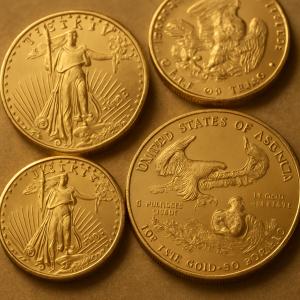
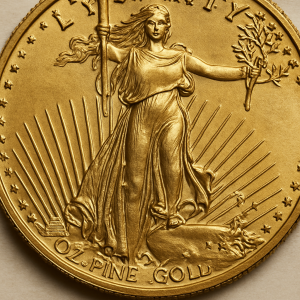
Gold coins and bullion are also popular investment options in Saudi Arabia. The price of gold coins is determined by their weight, purity, and market demand. For example, a 1-ounce gold coin would be priced based on the current gold rate per ounce, along with any premiums charged by the seller.
Investment in Gold Coins
Gold coins offer a tangible and convenient form of investment, appealing to both collectors and investors. Coins often come with historical or cultural significance, adding to their allure. In Saudi Arabia, coins are popular due to their portability and ease of storage.
Collectors may seek coins for their artistic value or rarity, while investors focus on their gold content and market performance. The diversity of coins available caters to various investment preferences, from numismatic pieces to standard bullion coins.
Bullion as a Safe Haven
Gold bullion, available in bars and ingots, is a preferred choice for investors seeking substantial holdings. Bullion’s purity and weight are certified, ensuring transparency and trust in transactions. In times of financial uncertainty, bullion serves as a safe haven, preserving wealth against economic volatility.
The bullion market in Saudi Arabia benefits from robust infrastructure, including secure storage facilities and efficient trading platforms. This accessibility enhances investor confidence, contributing to the sustained demand for bullion products.
Premiums and Market Demand
The price of gold coins and bullion includes a premium over the spot price, reflecting manufacturing, distribution, and dealer costs. Premiums vary depending on factors such as coin rarity, demand, and market conditions.
Investors need to consider these premiums when purchasing gold, as they impact the overall cost and potential resale value. Understanding market demand helps investors make informed decisions, balancing premiums with investment goals.
How to Stay Updated on Gold Prices
Staying informed about the latest gold prices is crucial for making sound investment decisions. Here are some ways to keep track of gold prices in Saudi Arabia:
Online Resources
Several websites provide real-time updates on gold prices in Saudi Arabia. These platforms offer detailed information on the current rates, historical trends, and forecasts. Reliable sources like financial news websites and commodity trading platforms ensure accuracy and timeliness.
Investors can leverage these resources to conduct thorough market analysis, compare prices across different sellers, and identify potential buying opportunities. The availability of historical data allows for trend analysis, aiding strategic decision-making.
Financial News Channels
Television and online financial news channels regularly report on the gold market, providing insights into price movements and market trends. Reputable channels offer expert commentary and analysis, helping viewers understand the factors influencing gold prices.
Staying tuned to these channels keeps investors informed about global events and economic developments that may impact the gold market. The insights gained from expert opinions can guide investment strategies and risk management.
Mobile Apps for Gold Tracking
There are numerous mobile applications designed to track gold prices. These apps offer alerts and notifications on price changes, making it easy to stay updated on the go. User-friendly interfaces and customizable features enhance the convenience of monitoring gold prices.
Investors can set alerts for specific price points or changes, ensuring they never miss a buying or selling opportunity. The portability of mobile apps allows for real-time updates, providing flexibility in managing investments anytime, anywhere.
Consulting Local Jewelers
Visiting local jewelers can provide firsthand information on the current gold rates. Jewelers often have the most accurate and up-to-date pricing information. Their insights into market trends and consumer preferences can be valuable for both buyers and sellers.
Building relationships with reputable jewelers fosters trust and may lead to better deals or exclusive access to new products. Local jewelers also offer personalized advice, helping customers choose the best gold products to meet their needs and budgets.
Gold Price Forecast

by Anne Nygård (https://unsplash.com/@polarmermaid)
Predicting future gold prices is challenging, given the numerous factors that can influence the market. However, analysts often provide forecasts based on historical data and market trends. Here are some considerations for the gold price forecast:
Global Economic Conditions
Economic stability or instability can significantly impact gold prices. In times of uncertainty, gold is likely to see increased demand, driving up prices. Analysts examine indicators such as GDP growth, employment rates, and trade balances to assess economic conditions.
These indicators help forecast potential shifts in gold demand, allowing investors to adjust their strategies accordingly. By understanding the relationship between economic conditions and gold prices, investors can better anticipate market changes.
Geopolitical Tensions
Political unrest or conflicts can lead to a spike in gold prices as investors flock to safe-haven assets. Events such as elections, trade wars, or military conflicts influence investor sentiment, often resulting in increased gold purchases.
Analysts monitor geopolitical developments to gauge potential impacts on gold prices, providing forecasts that incorporate these risks. Staying informed about global events helps investors prepare for market volatility and seize opportunities.
Monetary Policies and Interest Rates
Central bank policies, including interest rates and quantitative easing measures, can affect gold prices. Lower interest rates often result in higher gold prices. Analysts track central bank announcements and policy changes to predict their effects on the gold market.
Understanding monetary policies allows investors to anticipate shifts in gold demand, aligning their investment strategies with expected market movements. The interplay between interest rates and gold prices is a crucial factor in long-term investment planning.
While it’s essential to consider expert forecasts, it’s equally important to conduct personal research and analysis before making investment decisions.
Conclusion
Gold remains a valuable asset in Saudi Arabia, cherished for its cultural significance and investment potential. Understanding the factors that influence gold prices and staying informed about current rates can help you make informed decisions, whether you’re buying jewelry, investing in gold coins, or trading bullion.
By leveraging online resources, financial news, and local insights, you can stay ahead in the gold market and capitalize on opportunities as they arise. As always, approach gold investments with careful consideration of market conditions and expert guidance.
Moreover, maintaining a diversified portfolio and staying adaptable to market changes ensures long-term success in gold investment. By continuously updating your knowledge and monitoring trends, you can navigate the complexities of the gold market with confidence and achieve your financial goals.
Q&A
Question: What primarily drives gold prices in Saudi Arabia?
Short answer: Local prices largely follow global gold trends, the USD/SAR exchange rate, and broader economic conditions (inflation, interest rates, and growth). Because gold is priced in USD, a weaker Riyal makes gold costlier locally, while a stronger Riyal can ease prices. In periods of uncertainty or geopolitical tension, safe‑haven demand typically pushes prices higher.
Question: What are the indicative per‑gram prices for 24K, 22K, and 21K gold, and how are they used?
Short answer: The article cites approximate prices of 230 SAR for 24K, 210 SAR for 22K, and 200 SAR for 21K per gram. Generally, 24K (purest) is favored for investment bars and coins; 22K balances purity and strength, making it popular for durable, intricate jewelry; 21K offers a blend of affordability and robustness, widely used in everyday jewelry.
Question: How do premiums affect the cost of gold coins and bullion?
Short answer: Coins and bars are priced at the spot gold value plus a premium that covers manufacturing, distribution, and dealer costs. Premiums vary with factors like coin rarity, market demand, and overall conditions. Higher premiums raise your all‑in purchase price and widen the gap you must overcome to break even on resale.
Question: What are practical ways to stay updated on gold prices in Saudi Arabia?
Short answer: Use a mix of real‑time online price trackers and financial news sites, set alerts in dedicated mobile apps for target price levels, and confirm quotes with reputable local jewelers. Comparing multiple sources and reviewing historical charts can help you spot trends and better time purchases.
Question: What should I monitor when forming a gold price outlook?
Short answer: Watch global economic indicators (GDP, employment, trade balances), geopolitical developments that sway safe‑haven demand, and central bank policies—especially interest rate moves and quantitative easing. Forecasts provide guidance but aren’t guarantees, so pair them with your own research, diversification, and flexibility.