Gold Bars for Sale
With everything you hear on the news about the economy, it’s natural to wonder about ways to protect your savings. For centuries, people have turned to gold for precisely that reason. The idea of owning a real, physical asset is powerful, but for most people, the thought of trying to invest in gold can also feel intimidating and out of reach.
Thinking about how to invest in physical gold bars often brings up more questions than answers. Where do you even start? How can you trust the seller? And isn’t that just for super-villains and banks? Acknowledging this confusion is the first step, as industry data reveals a primary concern for new buyers isn’t the price, but the fear of making a costly mistake.
The truth is, people from all walks of life safely buy gold bars to protect their long-term savings. It’s a common strategy that doesn’t require a massive fortune or a financial degree. The process is straightforward once you have a clear, simple roadmap to follow, which is exactly what this guide provides.
This guide cuts through the confusing jargon with a step-by-step plan. You will learn what actually drives the price, how to spot a trustworthy dealer, and what to do after you make a purchase. Our goal is to replace that feeling of uncertainty with the confidence you need to make a secure and informed decision.
Gold Bars vs. Gold Coins: Which Is Right for a First-Time Buyer?
One of the first choices you’ll face is between a gold bar and a gold coin. While both contain the same valuable metal, the price you pay per ounce is usually different. Think of it this way: gold bars are simpler and cheaper for mints to produce. Because of these lower manufacturing costs, sellers can offer them with a smaller markup over the raw price of gold. This makes them a more direct way to purchase gold bullion based purely on its weight.
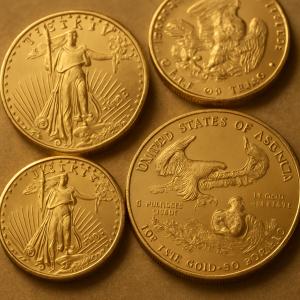
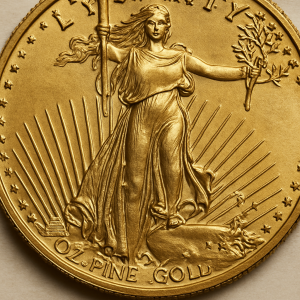
Gold coins, on the other hand, often carry an additional cost related to their collectibility. Government-minted coins, like the American Gold Eagle or Canadian Maple Leaf, have intricate designs and a history that collectors value. This “numismatic value” means you’re paying not just for the gold, but also for the coin’s status as a collector’s item, similar to how a rare stamp or a first-edition book costs more than the paper it’s printed on.
For most people looking to invest in gold for the first time, the decision comes down to your primary goal. If your aim is simply to own the most gold for your money without paying extra for artistry or collectibility, then gold bars are the clear winner. The gold bars vs gold coins investment debate simplifies when your focus is on the metal’s intrinsic value.
What Size Gold Bar Should I Buy? From 1 Gram to 1 Kilo Explained
Stepping into the world of gold, you’ll immediately notice there are many different sizes of gold bullion bars available. The price per gram isn’t the same for every bar. Think of it like grocery shopping: a small, single-serving snack costs more per ounce than buying the large, family-sized box. The same principle applies to gold. Smaller bars have higher manufacturing and handling costs relative to their value, so you pay a higher “premium” or markup.
You’ll find that gold bars come in a few standard sizes, each suited to different goals. The most common weights you’ll encounter are measured in grams, ounces, and kilos.
- 1 Gram: A very small, affordable bar, often bought as a gift or a first step into gold ownership.
- 5 or 10 Grams: A popular choice for those looking to build a holding over time with smaller, regular purchases.
- 1 Ounce (31.1 Grams): The global standard. This is the most popular and widely traded size for private investors.
- 10 Ounces / 1 Kilo (1,000 Grams): For serious, large-scale investments.
For most people who purchase gold bars for the first time, the 1-ounce bar hits the sweet spot. It offers a much better value (a lower price per gram) than the smaller gram-sized bars, but it’s still affordable enough for a significant one-time purchase. Because it’s the industry standard, it’s also the easiest to sell later on, giving you a perfect balance of value and flexibility.
On the other end of the spectrum, large bars like the 10-ounce or 1-kilo bar offer the absolute best price per gram. However, they require a very large upfront investment and are less flexible. If you own one kilo bar and need to sell just a small portion of your holdings, you can’t simply break a piece off. You have to sell the entire bar.
How to Read a Gold Bar: Decoding Purity, Weight, and Assay Marks
Once you have a bar in hand (or are looking at a photo online), you’ll see it’s stamped with important information. The most crucial marking is its purity, often shown as “.999” or “.9999.” This number is called “fineness,” and it’s simply a precise way of stating how pure the gold is. A bar stamped “.9999” is 99.99% pure gold, which is the standard for investment-grade bullion. This certifies you are getting virtually pure gold, which is key for understanding gold bar purity and weight.
Beyond purity, you’ll see a few other key details stamped directly onto the metal. These act like the bar’s birth certificate. First is the refiner’s or mint’s brand, such as the famous Swiss refiner PAMP Suisse. Second is the bar’s weight (e.g., “1 OUNCE”). Finally, every bar from a reputable mint will have a unique serial number etched into it. These three markings—brand, weight, and serial number—work together, confirming the bar’s origin and specifications.
Often, your gold bar will arrive sealed inside a durable, credit-card-sized package called an “assay card.” This isn’t just packaging; it’s a security feature. The assay card is a certificate from the mint that repeats the bar’s vital information, including its matching serial number. This tamper-evident seal is a critical part of verifying gold bar authenticity, assuring you that the bar hasn’t been altered since leaving the mint. For this reason, you should always leave the bar sealed in its original assay card.

What is a Good Price for a Gold Bar? Decoding Spot Price + Premium
Figuring out what is a good price for a gold bar can feel confusing because the price you pay is always different from the number you see on the news. The key is understanding that your final cost is made of two simple parts. This allows you to see exactly what you’re paying for and feel confident you’re getting a fair deal.
The starting point for any gold price is the spot price . This is the live, wholesale market price for one troy ounce of raw gold. A troy ounce is the standard unit for precious metals, and it’s slightly heavier than a typical ounce you might use for cooking. Think of the spot price like a stock price—it fluctuates all day and is the same for every dealer in the world. This is the spot price of gold explained in its simplest form: it’s the base cost of the metal itself.
However, you can’t buy a finished bar at the spot price. Added to that base cost is the second part: the premium. This is the amount the seller adds to cover everything involved in turning raw gold into a finished, secure product in your hands. The premium pays for manufacturing, packaging, insurance, secure shipping, and the dealer’s business costs. It’s similar to the markup on any product, whether it’s a T-shirt or a new laptop.
Therefore, the total price you pay is simply: Spot Price + Premium. Since the spot price is a global constant at any given moment, a “good price” really comes down to finding a dealer with a fair and competitive premium. This is the most important factor to compare when you buy gold bars, and it’s why choosing a trustworthy seller is the critical next step.
Where to Buy Gold Bars: 5 Signs of a Reputable Bullion Dealer
Now that you know a good price comes from a fair premium, the next step is finding reputable gold bullion dealers you can trust. The best place to purchase gold bullion isn’t always the one with the rock-bottom price; it’s the one that ensures your investment is authentic, secure, and delivered safely. These specialized sellers, known as bullion dealers, are your gateway to the market, and spotting a good one is the most important skill you can learn.
When you decide to buy gold bars online, you can vet any seller using this simple 5-point safety checklist. A trustworthy dealer will meet all of these criteria without exception.
5-Point Dealer Safety Checklist:
- Shows Spot Price & Premiums Clearly: They are transparent about pricing, never hiding their fees.
- Has 10+ Years in Business: A long track record demonstrates stability and customer trust.
- Has Positive Third-Party Reviews: Look for consistently good ratings on independent sites like Google or the Better Business Bureau (BBB).
- Offers Fully Insured, Trackable Shipping: Your purchase is protected from the moment it leaves their vault until it arrives in your hands.
- Publishes a Clear Buy-Back Policy: They openly state that they will buy gold back from their customers.
That last point—a buy-back policy—is an especially powerful sign of a legitimate business. It means the dealer is confident in the products they sell and provides you with a clear path if you ever decide to sell your gold. It removes the worry of getting “stuck” with your investment.
How to Purchase Gold Bars Online: A Step-by-Step Walkthrough
Once you’ve selected a dealer and are ready to buy, the checkout process for gold is a little different from typical online shopping. Because the market price of gold changes every minute, dealers use a system called a price lock-in. When you commit to buying, the dealer locks in that exact price for you for a short period, usually from a few minutes to a couple of business days. This is a binding agreement that protects both you and the seller from any sudden price swings while you arrange payment.
When it comes to paying, you’ll notice two main options with very different costs. The most common and cost-effective method to purchase gold bars is a bank wire. This is a direct transfer from your bank account to the dealer’s. Because it allows dealers to avoid credit card processing fees, they almost always offer a significant discount (often 3-4%) for customers who pay this way. It’s the standard for serious buyers looking to get the most metal for their money.
For the sake of speed and simplicity, you can also use a credit or debit card. However, be prepared for a convenience fee that’s typically around 4% of your total order. This fee isn’t extra profit for the dealer; it’s what the credit card companies charge them for the transaction. While more expensive, using a card can be a straightforward way to invest in physical gold bars for the first time, especially if you are starting with a smaller purchase.
After your payment is confirmed, the process is reassuringly transparent. You will receive an email confirming your order, another one once your payment is received, and a final notification with a tracking number when your fully insured package ships.
Cast vs. Minted Gold Bars: Does the Look Affect the Value?
As you browse for gold bars, you’ll quickly notice they come in two distinct styles: cast and minted. Cast bars, sometimes called “poured” bars, are made the old-fashioned way: molten gold is poured into a mold to cool. This gives them a rugged, unique character with slight imperfections. In contrast, minted bars are cut from a large, flat piece of gold and then stamped with a design, much like a coin. They have sharp, uniform edges and a brilliant, shiny finish.
So, what does this cosmetic difference mean for you as a buyer? It all comes down to the premium. The simpler manufacturing process for cast bars makes them cheaper to produce, and dealers pass that savings on to you. If your main goal is to acquire the most gold for your dollar, a cast bar is often the most cost-effective way to purchase gold bullion. The lower premium helps you get a better price for the gold itself.
Despite these differences in appearance and premium, the intrinsic value is the same. A one-ounce cast bar and a one-ounce minted bar both contain exactly one troy ounce of pure gold. The debate over cast vs minted gold bars pros and cons really boils down to personal preference: the raw efficiency of a cast bar or the refined beauty of a minted one, which is often favored for display or gifting.

PAMP Suisse vs. Valcambi: Does the Brand of Gold Bar Matter?
Just as you might trust certain brands for cars or electronics, the name stamped on a gold bar absolutely matters for peace of mind. When you’re starting out, sticking with world-renowned refiners is the safest path. Two of the biggest names you’ll encounter are PAMP Suisse and Valcambi. Both are Swiss-based powerhouses known for producing some of the highest-quality gold bars in the world. The debate over PAMP Suisse vs Valcambi gold bars isn’t about one being “good” and the other “bad,” but rather about choosing between two top-tier options.
The reason these brands are so trusted comes down to a critical certification: “Good Delivery.” Both PAMP and Valcambi are on the list of accredited refiners by the London Bullion Market Association (LBMA) . This is the ultimate seal of approval in the precious metals industry. Meeting the rigorous London Bullion Market Association (LBMA) standards guarantees that the bar’s weight and purity are exact, making it instantly recognizable and easy to sell to any dealer around the globe. This accreditation removes the guesswork and fear of buying a subpar product.
Ultimately, the choice between these two giants often comes down to small differences in price and personal taste. PAMP is famous for its beautiful “Lady Fortuna” design, while Valcambi is prized for its clean, classic finish. On any given day, one might have a slightly lower premium than the other. The key takeaway is that you cannot make a wrong decision here. The best place to purchase gold bullion will carry products from LBMA-accredited refiners like these, ensuring your investment is secure, authentic, and universally valued from the moment you buy it.
You Bought Gold, Now What? A Practical Guide to Secure Storage
With your gold bar delivered, the immediate question becomes: where do you keep it? The moment you decide how to invest in physical gold bars , you should also have a plan for protecting them. Your goal is securely storing precious metal bars in a way that balances access, security, and cost. This decision is just as important as choosing which gold bars for sale to buy in the first place.
For most owners, the choice comes down to three primary locations. Each option offers a different trade-off between convenience and protection, so what works for a large-scale investor might not be practical for you.
Here’s a quick look at your storage options:
- Home Safe:
- Pros: Immediate 24/7 access, completely private.
- Cons: You are solely responsible for security against theft or disaster.
- Bank Safe Deposit Box:
- Pros: Excellent security against theft in a fortified location.
- Cons: Access is limited to bank hours, and the contents are typically not insured by the bank or FDIC.
- Third-Party Depository:
- Pros: The highest level of security; fully insured and independently audited.
- Cons: Best for very large holdings due to annual fees; access is limited.
For most first-time buyers with a modest amount of gold, a high-quality, fireproof home safe that is properly bolted to the floor is an excellent solution. It provides the best blend of security and personal control.
How to Be Sure Your Gold Bar is Real (Without Special Equipment)
The fear of owning a fake is one of the biggest worries for any new gold owner. While buying from reputable gold bullion dealers is your strongest safeguard, you can perform a few simple checks at home for complete peace of mind. These tests won’t damage your bar and are an easy way of verifying gold bar authenticity yourself.
Start with the packaging it came in. Your bar’s assay card is its certificate of authenticity, containing details like its weight, purity, and a unique serial number. Check that this serial number on the card perfectly matches the one stamped directly onto your gold bar. For a trusted brand like PAMP Suisse, the sealed packaging is also a security feature, designed to be tamper-evident.
Beyond the paperwork, consider the bar’s physical properties. Gold is incredibly dense, meaning it packs a lot of weight into a small space. A counterfeiter using a cheaper, less-dense metal would have to make the bar physically larger or thicker to match the weight of a genuine one-ounce bar. You can find the official dimensions on the manufacturer’s website and use a simple digital caliper to confirm they match. A mismatch, even a small one, is a huge red flag.
Combining these quick inspections—the serial number, the weight, and the dimensions—provides powerful assurance. This process isn’t about being paranoid; it’s about becoming an informed and confident owner.
Are Gold Bars a Good Investment Right Now?
The question of “are gold bars a good investment right now?” is a crucial one. It’s helpful to think of gold less like a stock that might soar or crash, and more like a long-term savings tool. For centuries, it has acted as a store of value, meaning its primary job isn’t to generate quick profits, but to hold its worth over time. Its goal is to preserve the wealth you’ve already worked hard to build, acting as a solid foundation.
This ability to preserve wealth is why so many people invest in gold as a hedge against inflation. When the cost of living goes up and your dollar doesn’t stretch as far at the grocery store, the price of gold often moves in the opposite direction. This provides a potential counterbalance, helping protect your savings from being slowly eroded by economic uncertainty and market volatility. It’s a classic defensive move in a personal financial strategy.
Ultimately, owning gold is about diversification—the simple idea of not putting all your eggs in one basket. It provides a tangible asset for financial stability and peace of mind, not a ticket for rapid gains. Of course, should you eventually sell your gold for a profit, it’s critical to be aware of the rules. The tax implications of buying physical gold are unique, and knowing them upfront prevents future surprises.
The Hidden Cost: What to Know About Taxes When Buying or Selling Gold
You don’t pay an immediate tax just for buying gold. The tax implications of buying physical gold only come into play when you sell it for a profit. This profit is known as a “capital gain.” For instance, if you buy a bar for $2,000 and sell it years later for $3,000, you would only owe taxes on the $1,000 gain. This is why keeping a clear record of your original purchase price is absolutely essential.
The IRS classifies physical gold as a “collectible,” putting it in the same category as fine art or rare coins. This distinction matters because profits from selling gold bars are taxed at a specific federal collectibles rate, which can be as high as 28%. This is often different from the lower tax rates you hear about for more common investments.
You don’t need to be a tax expert to invest in physical gold bars, but knowing these rules helps you plan for the future. Your main takeaway is simple: save all your receipts. When you eventually sell, a qualified tax professional can use these records to ensure you report everything correctly.
Your 5-Step Action Plan for a Confident First Gold Purchase
The world of buying gold bars may have once seemed overwhelming, filled with confusing terms and hidden risks. You’ve now decoded that process. You understand what drives the price, how to identify a trustworthy dealer, and the exact steps required to turn an interest in gold into a tangible asset you can hold.
To make your first move simple, use this final checklist. It consolidates everything into a clear, actionable plan.
Your First Purchase Checklist
- Decide Your Goal & Budget: Bar or Coin? What size?
- Understand the Price: Check live spot price + expect a premium.
- Vet Your Dealer: Use the 5-point safety checklist.
- Complete the Purchase: Choose payment method and lock in price.
- Plan for Secure Storage: Decide on home safe, bank box, or depository.
You now have the map to navigate how to invest in physical gold bars safely. By focusing on the core principles of price and dealer verification, you replace guesswork with a confident strategy. You have the power to turn financial uncertainty into a decisive action and own a timeless, tangible asset.
Frequently Asked Questions
Question: Are gold bars or gold coins better for a first-time buyer?
Short answer: If your goal is to own the most gold for your money, gold bars are usually the better choice. Bars are cheaper to manufacture, so they carry a smaller premium over the spot price. Many government-minted coins add “numismatic” value for their designs and collectibility, which means you’re paying extra beyond the metal content. For a first purchase focused on intrinsic value, bars typically offer more gold per dollar.
Question: What size gold bar should I start with?
Short answer: For most first-time buyers, the 1-ounce bar is the sweet spot. It offers a lower price per gram than tiny bars (like 1g or 5g), yet remains affordable and very easy to resell because it’s the global standard. Larger bars (10 oz or 1 kilo) can lower your per-gram cost even more, but they require bigger upfront spending and are less flexible—you can’t sell a “piece” of a big bar. Smaller gram bars are easier to buy incrementally, but they come with higher premiums.
Question: What is a “good price” for a gold bar, and how are prices set?
Short answer: Your total cost is Spot Price + Premium. The spot price is the live, wholesale price per troy ounce of gold—think of it as the metal’s base cost. The premium covers manufacturing, packaging, insurance, shipping, and dealer operations. Since spot is the same everywhere at any moment, a “good price” comes down to finding a dealer with a fair, clearly stated premium.
Question: How do I choose a reputable bullion dealer—and why does a buy-back policy matter?
Short answer: Use this 5-point checklist: transparent spot price and premiums, 10+ years in business, strong third-party reviews (e.g., Google/BBB), fully insured trackable shipping, and a published buy-back policy. A buy-back policy is a powerful signal of legitimacy and provides you with a clear, convenient path to sell later, reducing the risk of being “stuck” with your gold.
Question: How can I be sure my gold bar is real without special equipment?
Short answer: Start with the sealed assay card: confirm the bar’s serial number, weight, and purity match what’s printed on the card and stamped on the bar. Stick with reputable brands (e.g., LBMA-accredited refiners) and leave the bar sealed. Then verify basic physical properties—gold’s density means a genuine bar will match the maker’s published dimensions and weight; use a simple scale and digital calipers to check. Buying from a trusted dealer is your strongest safeguard.