Gold and Silver value
When it comes to investing in precious metals, gold and silver have long been considered safe havens. Their enduring appeal and historical significance make them popular choices for investors seeking to diversify their portfolios. Understanding the value of gold and silver requires a grasp of various factors influencing their market dynamics. In this article, we’ll explore the key elements that affect gold and silver prices, the importance of trading and investment, and the forecast for these precious metals.
Summary
This article outlines the key drivers of gold and silver prices, including inflation, interest rates, currency moves, investor sentiment, and silver’s significant industrial demand. It explores historical/numismatic premiums on coins, gold’s role as a stability hedge, and how supply-demand dynamics, technology, and geopolitics shape market trends and forecasts. Practical guidance compares physical metals, ETFs, and mining stocks, alongside diversification-focused strategies. The core message: stay informed and adaptable to manage volatility and align precious-metal exposure with long-term goals.

Gold trading is a global business, with prices influenced by a multitude of factors ranging from economic conditions to geopolitical events. The gold price is typically quoted per ounce and can fluctuate daily based on market conditions. To truly understand gold’s market dynamics, one must delve into the intricacies of what drives its value, how it has been perceived over time, and the various forms it takes in the marketplace.
Gold Rates and Their Determinants
The gold rate is driven by a variety of factors, including inflation rates, currency values, and interest rates. When inflation rises, the value of currency decreases, leading investors to turn to gold as a hedge, driving up its price. Similarly, a weaker dollar makes gold cheaper for foreign buyers, increasing demand and consequently its price. In addition to these economic factors, investor sentiment and speculative activities also play a crucial role. Market psychology can significantly sway gold prices as traders react to news events and economic forecasts.
Historical Value: Gold Quarters and Coins
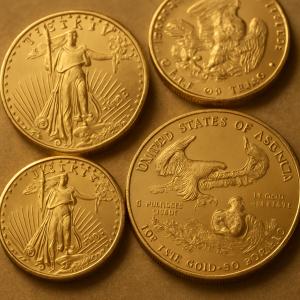
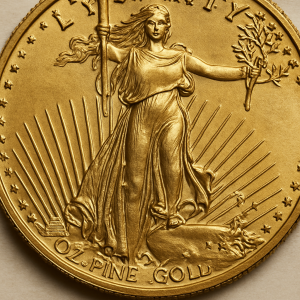
Gold coins and quarters hold not just intrinsic value based on their gold content but also collectible value. For instance, the gold quarter value and the 5 gold coin value can vary significantly based on rarity and condition. The James Madison 1809 to 1817 gold coin value is an example of how historical significance can impact a coin’s worth. Collectors often seek coins from specific eras or mintages due to their historical narratives, adding a premium over the gold’s intrinsic worth. Additionally, coins are often graded for condition, with higher grades commanding greater market prices.
Gold’s Role in Economic Stability
Gold has historically been viewed as a measure of economic stability. During times of economic turmoil, central banks and governments often increase their gold reserves as a hedge against currency devaluation and inflation. This action not only stabilizes national economies but also boosts investor confidence globally. Gold’s perceived stability means that it often acts as a counterbalance in investment portfolios, mitigating risks associated with volatile markets.
Silver: The Other Precious Metal

While gold often steals the spotlight, silver is equally important in the precious metals market. Its value is influenced by similar factors as gold but also depends heavily on industrial demand. Silver’s dual role as both an investment asset and industrial commodity offers unique opportunities and challenges in the market.
Silver’s Industrial Demand
Silver is used in a variety of industrial applications, from electronics to solar panels. This industrial demand can significantly impact the silver price, making it more volatile than gold. As technology advances and the green energy sector grows, the demand for silver is expected to increase. The rise in electric vehicles and renewable energy systems, which require significant amounts of silver, further underscores its critical role in modern industry. Additionally, technological innovations continue to expand silver’s applications, potentially increasing its demand in new sectors.
Silver Investment Options
Investors have a range of options when it comes to silver, from purchasing physical silver bars and coins to investing in silver ETFs and mining stocks. Each investment type offers different benefits and risks. Physical silver provides tangible asset security, while ETFs and stocks offer liquidity and potential for higher returns. Understanding the nuances of these investment vehicles is crucial for aligning them with one’s financial goals. Moreover, silver’s price movements often differ from gold, providing diversification benefits within a precious metals portfolio.
Silver’s Historical and Cultural Significance
Beyond its industrial and monetary uses, silver has a rich historical and cultural legacy. It has been used for centuries in coinage, jewelry, and art, symbolizing wealth and prestige. Silver’s reflective properties and rarity have made it a preferred choice for artisans and craftsmen throughout history. This cultural heritage adds an additional layer of value to silver, with antique silver items often fetching high prices at auctions and in the collector’s market.
Market Trends and Forecasts
Understanding current market trends is crucial for anyone involved in trading or investing in gold and silver. Analysts use a variety of tools to predict future prices and guide investment strategies. These tools range from technical analysis to economic indicators, providing a comprehensive view of the market landscape.
Gold Forecast and Analysis

by Jakub Żerdzicki (https://unsplash.com/@jakubzerdzicki)
The gold forecast often depends on global economic indicators and political stability. Analysts examine trends in the gold market, including supply and demand dynamics, to provide insights into future price movements. For instance, an increase in gold reserves by central banks can indicate a bullish trend. Economic reports, such as GDP growth rates and employment figures, also influence gold’s market outlook. Political events, including elections and international relations, further add layers of complexity to predicting gold’s future trajectory.
Supply and Demand
The gold supply is relatively stable, as gold is not consumed in the same way as other commodities. However, mining production and geopolitical factors can influence supply. On the demand side, jewelry and investment are the main drivers. Changes in consumer preferences or investment trends can impact the gold demand significantly. Additionally, technological advancements in mining can alter supply dynamics, while cultural shifts in major markets like India and China can redefine demand patterns.
Technological Advancements and Their Impact
Technological advancements play a pivotal role in shaping the future of gold and silver markets. Innovations in mining technology can lead to more efficient extraction processes, potentially increasing supply. Furthermore, developments in recycling technologies can alter the availability of gold and silver, impacting their market prices. These advancements not only affect supply-side dynamics but also influence demand through new applications in technology and industry.
Investing in Gold and Silver
Investing in gold and silver can be a prudent decision for those looking to protect their wealth against market volatility. These metals offer a tangible asset that can preserve value over time, serving as a hedge against inflation and currency fluctuations.
Types of Gold Investments
Investors can choose from a variety of gold investment options, including physical gold, ETFs, and mining stocks. Understanding the value of 2 5 g gold or a 1 10 oz gold coin value helps investors make informed decisions about their portfolios. Physical gold, such as coins and bars, offers security and tangibility, while ETFs provide ease of trading and liquidity. Mining stocks, on the other hand, offer exposure to the gold industry with the potential for higher returns, albeit with increased risk. Each investment type comes with its own set of advantages and challenges, requiring careful consideration based on individual financial goals.
Gold Investment Strategies
Developing a sound investment strategy requires an understanding of both the short-term market conditions and long-term trends. Diversification is key, and combining gold with other asset classes can enhance portfolio stability. Investors must also consider their risk tolerance and time horizon when crafting their strategies. Regularly reviewing and adjusting one’s portfolio in response to market changes ensures alignment with financial objectives. Additionally, staying informed about economic indicators and market forecasts can aid in making timely investment decisions.
The Role of Silver in Investment Portfolios
Silver, like gold, offers diversification benefits within an investment portfolio. Its unique properties and market dynamics provide opportunities for both capital appreciation and income generation. Silver’s lower price point compared to gold makes it accessible to a broader range of investors. Furthermore, its industrial applications provide a growth potential distinct from gold, making it a valuable component in a diversified investment strategy. Understanding silver’s volatility and market trends is crucial for maximizing its benefits in a portfolio.
Conclusion
Gold and silver continue to be significant players in the global financial landscape. Their value is influenced by a complex interplay of economic, political, and industrial factors. Whether you’re considering investing in gold coins, such as the 2000 gold dollar value, or tracking the gold trends, staying informed is crucial. The dynamic nature of these markets requires continuous learning and adaptation to evolving conditions.
By understanding the forces at play in the gold and silver markets, investors can better navigate the challenges and opportunities these precious metals present. With the right knowledge and strategy, gold and silver can be valuable assets in achieving financial security. As the world economy and technology continue to evolve, the role of these metals in investment portfolios may also change, offering new avenues for growth and protection.
Q&A
Question: What factors most strongly influence gold prices? Short answer: Gold prices are shaped by macroeconomics and market psychology. Inflation, interest rates, and currency moves (especially a weaker U.S. dollar) are primary drivers; rising inflation and a softer dollar typically support higher gold prices. Investor sentiment and speculation can amplify moves around news and forecasts, while geopolitics and central-bank reserve decisions (e.g., buying more gold) often add a bullish tilt. On the fundamentals side, relatively steady supply meets demand led by jewelry and investment, with shifts in either affecting price trends.
Question: Why is silver often more volatile than gold?
Short answer: Silver’s dual identity—investment asset and industrial metal—makes it more sensitive to economic cycles. Industrial demand from electronics, solar panels, EVs, and other technologies can surge or slow with growth, causing outsized price swings. As innovation and the green-energy buildout expand silver’s applications, demand can rise quickly—but that same linkage to industry also means silver can fall faster in downturns compared with gold.
Question: What makes some gold coins worth more than their melt (intrinsic) value?
Short answer: Collectible, or numismatic, premiums. Beyond the gold content, rarity, condition/grade, mintage, and historical significance drive additional value. For example, specific quarters or commemoratives—such as coins associated with noted historical figures or eras—can command premiums well above metal value. Higher-graded coins and sought-after dates generally trade at the largest premiums.
Question: How do physical metals, ETFs, and mining stocks compare as investment options?
Short answer: Each vehicle balances tangibility, liquidity, and risk differently. Physical coins and bars offer a tangible store of value and no fund or company risk, but they entail storage, insurance, and wider buy/sell spreads. ETFs provide convenient, liquid exposure that closely tracks spot prices, though without the tangibility or collectible upside. Mining stocks can offer greater upside (and downside) because company performance, costs, and geology layer on top of metal-price moves. The best fit depends on goals, risk tolerance, and time horizon.
Question: How do technology and policy trends shape precious-metal market forecasts?
Short answer: On supply, advances in mining and recycling can make extraction more efficient and increase available metal, potentially easing price pressures. On demand, new and expanding uses—especially in technology and green energy—boost silver’s consumption and can influence gold through emerging applications. Broader forecasts for gold also incorporate economic indicators (GDP, jobs, interest rates), central-bank activity, and geopolitical stability. Staying informed and adapting allocations helps navigate these evolving forces.