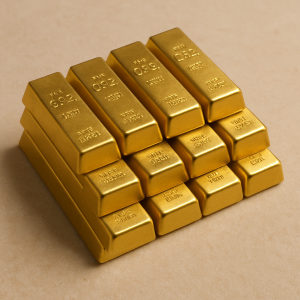
gold 1 0z
When it comes to investing in precious metals, gold is often seen as a safe haven. Whether you’re a seasoned investor or a beginner exploring options, understanding the value of gold is crucial. In this article, we will delve into live gold prices, the history of gold prices, and what influences the price of gold per ounce today.
Summary
This article explains how to monitor live gold prices and the key drivers of per‑ounce value, including economic data, U.S. dollar strength, geopolitics, and interest rates. It provides historical context with major milestones, compares 14k and 18k gold versus 24k benchmarks, and contrasts gold with silver. The piece highlights gold’s role as a hedge and store of value, and outlines trends and forecasts suggesting near-term volatility but enduring long-term relevance for portfolios.

What is the Current Gold Price?
The current gold price can fluctuate due to a variety of factors. As of today, the gold price per ounce is a reflection of market demand and supply dynamics. It’s essential to keep an eye on live gold prices if you are planning to buy or sell gold. Websites that track the gold trading price provide updated information to help investors make informed decisions.
Factors Affecting Gold Prices
Several factors influence the gold market value. These include:
- Economic Data: Economic indicators such as inflation, employment rates, and GDP growth can impact the gold price forecast.
- Currency Strength: The strength of the U.S. dollar often inversely affects gold prices. When the dollar weakens, gold prices tend to rise.
- Geopolitical Events: Global tensions and uncertainties can lead to increased demand for gold as a safe investment.
- Interest Rates: Lower interest rates tend to boost gold prices as the opportunity cost of holding gold decreases.
Gold Price History
Understanding gold price history provides context for its current value. Historically, gold has been a valuable commodity for thousands of years. Its price trends can be influenced by historical events, economic cycles, and changes in market demand.
Major Milestones in Gold Price History
- 1971: The U.S. abandoned the gold standard, leading to more market-driven gold prices.
- 1980: Gold prices hit a peak due to high inflation and geopolitical tensions.
- 2008: The global financial crisis led to a surge in gold prices as investors sought safety.
- 2020: The COVID-19 pandemic caused another spike in gold prices due to economic uncertainty.

Gold Price Per Ounce Today
The gold price per ounce today is influenced by current economic conditions and market sentiment. Investors often look at the ounce gold rate to gauge the current gold price and make buying or selling decisions.
Comparing 14k and 18k Gold
While the price of pure gold (24k) per ounce is a standard measure, many jewelry buyers are interested in the price of 14k gold per ounce and 18k gold price per ounce. These lower karat golds are mixed with other metals, which affects their price.
- 14k Gold: Contains 58.3% pure gold. It’s more affordable and durable, making it popular for everyday jewelry.
- 18k Gold: Contains 75% pure gold. It offers a richer color and is often used in high-end jewelry.
Gold and Silver Prices
Investors also compare the price of gold and silver per ounce today. Both metals have unique properties and uses, making them valuable for different reasons. Silver is often more volatile than gold, leading to different trading strategies.
Why Gold Remains a Popular Investment
Gold’s enduring popularity as an investment comes from its ability to preserve value over time. It’s often used as a hedge against inflation and currency fluctuations. Unlike stocks or bonds, gold doesn’t yield dividends or interest but provides stability in turbulent times.
Gold Price Trends and Forecast
Predicting gold price trends involves analyzing current market conditions and historical patterns. Analysts consider factors like global economic growth, central bank policies, and investor sentiment to forecast gold prices.
Future Outlook for Gold Prices
Many experts believe that gold will continue to play a vital role in investment portfolios. Its ability to retain value during economic downturns makes it a valuable asset. While short-term fluctuations are expected, the long-term trend for gold is generally upward. 
by Jakub Żerdzicki (https://unsplash.com/@jakubzerdzicki)
Conclusion
Gold remains a crucial part of the global economy and a popular choice for investors. By understanding the factors that influence the gold trading price and keeping an eye on live gold prices, you can make informed investment decisions. Whether you are looking at gold price per ounce today or planning for the future, gold offers a unique blend of stability and potential growth.
For anyone interested in the gold market, staying informed about gold price trends and forecasts is key to maximizing your investment. As the world continues to change, gold will likely remain a steadfast store of value.
Remember, investing in gold requires careful consideration and understanding of market dynamics. Whether you’re buying physical gold or investing in gold-related financial products, always stay updated on the latest information to make the best decisions.
Q&A
Question: How can I check the current gold price per ounce, and why does it move throughout the day? Short answer: You can monitor live gold prices on sites that track the gold trading price, which update as markets move. Intraday changes reflect shifting supply-demand dynamics and new information—such as economic data releases, changes in interest rate expectations, currency moves (especially the U.S. dollar), and geopolitical headlines—that alter investor sentiment in real time.
Question: Why do the U.S. dollar and interest rates have such a big impact on gold? Short answer: Gold is priced globally in U.S. dollars, so a stronger dollar typically makes gold more expensive for non‑U.S. buyers and can pressure prices, while a weaker dollar tends to support them. Interest rates affect gold through opportunity cost: when rates fall, holding non‑yielding assets like gold becomes relatively more attractive, often lifting prices; when rates rise, that appeal can diminish.
Question: What historical milestones best explain big shifts in gold prices? Short answer: Four widely cited inflection points are: 1971, when the U.S. left the gold standard and prices became more market‑driven; 1980, when high inflation and geopolitical tensions helped push gold to then‑record highs; 2008, when the global financial crisis spurred safe‑haven buying; and 2020, when pandemic‑driven uncertainty led to another spike. These episodes show how policy regimes, inflation, and crises can all rapidly change gold’s perceived value.
Question: How do 14k and 18k gold prices relate to 24k (pure) gold prices? Short answer: Karat value reflects purity, so 14k (58.3% gold) and 18k (75% gold) are valued as a fraction of the 24k (100%) benchmark. A rough material estimate multiplies the 24k price by the purity percentage. In jewelry, final prices are higher than raw metal value due to added metals, craftsmanship, brand, and retail margins; 14k is typically more durable and affordable for daily wear, while 18k offers richer color for high‑end pieces.
Question: How does gold compare to silver, and what’s the outlook for gold? Short answer: Both are valuable metals, but silver is generally more volatile, which leads some investors to approach it with different trading strategies. Gold remains popular as a hedge against inflation and currency fluctuations and as a store of value. While short‑term volatility is likely given shifting data, policy, and geopolitics, many analysts expect gold to maintain long‑term relevance in diversified portfolios.