the cost of gold
Gold has always been a symbol of wealth and prosperity. From ancient civilizations to modern economies, gold holds a unique position in the financial world. But what determines the cost of gold, and why does it fluctuate so much? Whether you’re an investor, a trader, or just someone curious about this precious metal, understanding the intricacies of gold pricing is essential. 
Summary
Gold’s price fluctuates with global supply-demand dynamics and macro factors such as economic stability, inflation, interest rates, and the U.S. dollar. Historically a safe-haven asset, its cycles reflect crises, policies, and market sentiment, while local contexts like Nepal add influences from import taxes and seasonal demand. Buyers should prioritize purity, current rates, reputable dealers, and product form, keeping in mind that forecasts are indicative, not guarantees. Gold also contrasts with metals like platinum, which can be rarer and more volatile.
Gold prices don’t remain static. They fluctuate due to various factors. One of the main reasons is the changing dynamics of supply and demand. When demand for gold increases, or supply decreases, prices tend to rise. Conversely, if demand falls or supply increases, prices tend to decrease.
Factors Affecting Gold Prices
Several elements can influence the fluctuations in gold prices. Key factors include:
- Economic Stability: In times of economic uncertainty or recession, investors often flock to gold as a safe haven, driving up its price.
- Inflation: Gold is often seen as a hedge against inflation. When inflation rises, the demand for gold typically increases.
- Interest Rates: Generally, when interest rates rise, gold prices fall, as investors look for more lucrative avenues. Conversely, lower interest rates can drive up gold prices.
- Currency Strength: The U.S. dollar’s strength plays a significant role. A strong dollar tends to make gold more expensive in other currencies, reducing demand.
Gold Price History and Trends
The history of gold pricing is a testament to its enduring value. Historically, gold has maintained its purchasing power over long periods. Its price has seen significant highs and lows, influenced by geopolitical events, economic policies, and market sentiments.
A Brief Look at Gold’s Price History
- 1970s: The gold price saw a significant increase due to economic instability and inflation.
- 1980s-1990s: The price stabilized and even fell as global economies stabilized.
- 2000s: A significant bull market driven by financial crises and increased demand from emerging markets.
- 2010s to Present: Continued fluctuations with peaks in times of economic uncertainty.

Gold in Nepal: A Special Case
Nepal, with its rich cultural heritage, has a unique relationship with gold. Gold is not just an investment here; it’s an integral part of traditions and rituals.
The Cost of Gold in Nepal
In Nepal, the cost of gold can vary based on several local factors:
- Import Taxes: As Nepal imports most of its gold, taxes and duties play a significant role in determining the price.
- Local Demand: Festivals and wedding seasons can spike demand, leading to price increases.
- International Market Trends: Nepal’s gold prices are often influenced by global price trends.
Buying Gold: A Comprehensive Guide
Buying gold can be a lucrative investment, but it’s crucial to be informed. Here’s what you need to know:
Gold Buying Tips
- Know the Purity: Gold purity is measured in carats. 24k is pure gold, while 18k, 14k, and 10k have varying amounts of other metals.
- Understand the Market: Keep an eye on current gold rates and market trends. This will help you buy when prices are favorable.
- Buy from Reputable Dealers: Ensure that you’re purchasing from a trusted source to avoid counterfeit gold.
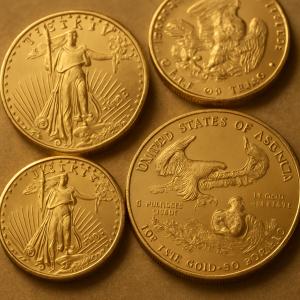
- Consider the Form: Gold can be bought as coins, bars, or jewelry. Each has its advantages and considerations.
Current Gold Rates and Forecast
The gold market is ever-changing. Staying updated with current gold rates and forecasts can help you make informed decisions. Analysts often provide insights into future trends, but it’s essential to remember that these are predictions and not guarantees. 
by Jan Antonin Kolar (https://unsplash.com/@jankolar)
Comparing Gold with Other Precious Metals
Gold isn’t the only precious metal in the market. Others like platinum and silver also hold value.
Cost of Platinum vs. Gold
Platinum is often more expensive than gold due to its rarity and demand in industrial applications. However, its price can be more volatile. When considering investments, it’s essential to weigh the pros and cons of each metal based on your financial goals.
Conclusion
Gold remains a powerful asset in the financial world. Its price, influenced by a myriad of factors, reflects global economic health and individual market dynamics. Whether you’re in Nepal or anywhere else, understanding the cost of gold and its fluctuations can guide you in making informed decisions, whether for investment or personal enjoyment. Stay informed, stay updated, and let the timeless allure of gold guide your financial journey.
Q&A
Question: What determines the cost of gold and why does it fluctuate? Short answer: Gold’s price moves with global supply-demand dynamics and macro forces. Key drivers include economic stability (safe-haven buying rises in uncertainty), inflation (gold is used as a hedge), interest rates (higher rates generally pressure gold; lower rates support it), and the strength of the U.S. dollar (a stronger dollar can dampen non-dollar demand). Crises, policy shifts, and market sentiment also create cycles and volatility.
Question: Why is gold considered a safe-haven, and what does history show? Short answer: Investors often turn to gold in turbulent times to preserve value. Historically, gold surged in the 1970s amid instability and inflation; eased or stabilized in the 1980s–1990s as economies steadied; rallied strongly in the 2000s during financial crises and rising demand; and has seen repeated peaks from the 2010s to today during periods of economic uncertainty.
Question: Why can gold cost more or less in Nepal than elsewhere? Short answer: Nepal’s gold prices reflect both global benchmarks and local factors. Import taxes and duties can lift local prices, while cultural-driven demand—especially around festivals and weddings—can create seasonal spikes. International market trends still influence levels, but local policies and demand patterns shape the final retail cost.
Question: What should I focus on when buying gold, and how useful are forecasts? Short answer: Prioritize purity (e.g., 24k vs. 18k/14k/10k), check current market rates, buy from reputable dealers to avoid counterfeits, and choose the form (coins, bars, jewelry) that matches your goals. Stay updated on market forecasts, but treat them as indicative guidance—not guarantees.
Question: How does platinum compare with gold as an investment? Short answer: Platinum can be rarer and often pricier than gold, driven in part by industrial demand, but its price tends to be more volatile. When comparing the two, weigh each metal’s risk-reward profile against your financial goals and tolerance for price swings.