How can I invest in platinum and what are the best options?
Investing in precious metals has long been a popular strategy for diversifying portfolios and safeguarding wealth. While gold often steals the spotlight, platinum is another valuable metal that deserves attention. In this article, we’ll explore the different ways you can invest in platinum, compare it to gold, and discuss whether it’s a wise investment choice for you.
Before diving into investment options, it’s crucial to understand why platinum might be worth considering. Platinum is a dense, malleable metal known for its industrial applications and rarity. It’s used in automotive catalytic converters, jewelry, and electronics, among other things. The metal’s diverse applications and limited supply contribute to its value.
Platinum is distinguished by its silvery-white appearance and resistance to corrosion, making it ideal for industrial use. Its high melting point and durability are unmatched by other precious metals, further enhancing its appeal across various sectors. These inherent qualities make platinum a preferred choice for critical applications, contributing to its demand.
The majority of platinum’s demand stems from its industrial uses, particularly in automotive catalytic converters, which help reduce harmful emissions. As global regulations push for cleaner air, the demand for platinum in this sector is projected to rise. Additionally, its use in electronics and dental equipment highlights its versatility and importance in modern technology.
Platinum is considered rarer than gold, with the majority of its production concentrated in South Africa and Russia. The limited geographic distribution of platinum mines can lead to supply disruptions, impacting its market price. This scarcity, combined with its broad application, underpins its value, making it a potentially lucrative investment. 
Comparing Platinum to Gold
When considering precious metal investments, many people wonder how platinum compares to gold. Both have their pros and cons, and understanding these can help you make an informed decision.
Platinum vs. Gold: Price Volatility
Platinum prices can be more volatile than gold due to its industrial demand. Economic shifts, such as changes in automotive production or technological advancements, can significantly impact its value. Investors should be prepared for these fluctuations and understand the factors driving them.
Historical Price Trends
Historically, platinum has traded at a higher price than gold, owing to its rarity and demand in industries. However, recent market trends have seen gold sometimes surpass platinum in value. Investors must stay informed about these trends, as they can affect investment strategies and decisions.
Investment Appeal and Market Perception
Gold is often seen as a safe haven asset, prized for its stability and historical significance as a store of value. In contrast, platinum is more speculative due to its industrial use, attracting investors willing to embrace higher risk for potentially higher returns. Understanding the market perception of each metal can guide investment choices. 
How to Invest in Platinum
Now that you understand why platinum might be worth considering, let’s explore the different ways you can invest in this precious metal.
Buying Physical Platinum
Platinum Bars and Coins
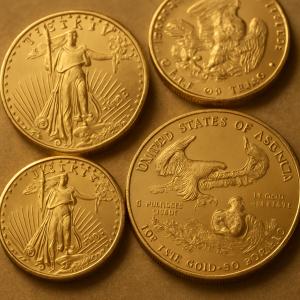
Purchasing physical platinum in the form of bars and coins is one of the most direct ways to invest. It’s crucial to buy from reputable dealers to ensure authenticity and quality. Consideration of storage and insurance costs is essential, as these can impact the overall investment return.
Platinum Jewelry
While not a traditional investment, platinum jewelry can hold value over time. However, potential investors should be aware that resale value may not match the purchase price due to markups and design premiums. It’s a more tangible way to hold wealth, combining personal enjoyment with investment.
Secure Storage Solutions
Storing physical platinum safely is paramount, whether in a home safe or a secure vault. Insurance coverage is advisable to protect against theft or damage. Investors should weigh the costs and benefits of different storage solutions to safeguard their investment effectively.
Exchange-Traded Funds (ETFs)
Platinum ETFs allow you to invest in platinum without physically owning it. These funds track the price of platinum and are traded on stock exchanges. They offer convenience and liquidity, making them an attractive option for many investors.
Advantages of ETFs
ETFs provide easy access to platinum markets, allowing investors to buy and sell shares like stocks. They offer the benefit of diversification within the fund, often containing a mix of precious metals. This flexibility and ease of trading can make ETFs an appealing choice for portfolio diversification.
Considerations and Risks
While ETFs offer liquidity, they also come with management fees that can affect returns. Investors should carefully review the fund’s performance history and fee structure. Additionally, market fluctuations can lead to price changes in ETFs, so understanding market dynamics is crucial for informed decisions.
Futures and Options
For those who are more experienced and willing to take on higher risk, futures and options provide another avenue for investing in platinum. These financial instruments allow you to speculate on the future price of platinum, but they require a good understanding of the market and carry significant risk.
Understanding Futures Contracts
Futures contracts involve agreeing to buy or sell platinum at a predetermined price on a specific future date. This can be profitable if market predictions are accurate, but it also involves significant risk if the market moves against the investor’s position. Expertise and market knowledge are essential for success in futures trading.
Options Trading and Strategies
Options trading provides flexibility, allowing investors to hedge against price changes or speculate on price movements. Call and put options can be used to leverage positions, but they require a deep understanding of market trends and potential price shifts. Investors should consider their risk tolerance and market expertise before engaging in options trading.
Platinum Market Trends and Price Forecast
Understanding market trends is crucial for any investment. In recent years, the platinum market has experienced fluctuations due to changes in industrial demand, geopolitical factors, and shifts in consumer preferences.
Analyzing Current Market Conditions
The platinum market is influenced by various factors, including changes in automotive technology, geopolitical tensions, and economic policies. Investors should analyze these conditions to anticipate potential price movements. Keeping abreast of industry news and expert analyses can provide valuable insights into market trends.
Long-term Price Forecasts
While no one can predict the future with certainty, analysts often provide forecasts based on current trends. Factors such as automotive industry demand, jewelry consumption, and technological advancements can all impact platinum prices. Long-term forecasts should be considered alongside short-term market movements to develop a comprehensive investment strategy.
Consultations with Financial Advisors
Engaging with financial advisors can provide personalized insights and strategies based on market trends and individual financial goals. Advisors can help investors navigate the complexities of the platinum market, assessing risks and opportunities. Regular consultations can ensure that investment strategies remain aligned with changing market conditions.
Is Investing in Platinum a Good Idea?
Investing in platinum, like any investment, comes with its risks and rewards. Here are some factors to consider:
Pros of Investing in Platinum
Potential for High Returns
Due to its rarity and industrial applications, platinum has the potential for significant price appreciation. Investors looking for opportunities to achieve substantial returns may find platinum attractive, especially if market demand increases.
Diversification Benefits
Adding platinum to your portfolio can provide diversification benefits, potentially reducing overall investment risk. Diversification can help mitigate losses in other asset classes, balancing the portfolio during volatile market conditions.
Hedge Against Inflation
Platinum, like other precious metals, can serve as a hedge against inflation, preserving wealth in times of economic uncertainty. As inflation erodes currency value, platinum may retain or increase its value, offering protection to investors.
Cons of Investing in Platinum
Volatility and Risk
Platinum prices can be more volatile than other precious metals, making it a riskier investment. Investors should be prepared for potential price swings and consider their risk tolerance before investing.
Market Dependence
The value of platinum is heavily influenced by industrial demand, which can be unpredictable. Changes in technology, environmental regulations, and economic conditions can affect demand, impacting platinum’s market value.
Limited Historical Data
Compared to gold, platinum has a shorter history as a widely recognized investment. This limited historical data can make it more challenging to predict long-term trends and develop investment strategies.
Conclusion
Investing in platinum can be a worthwhile addition to your investment strategy, but it’s essential to weigh the pros and cons and consider your risk tolerance. Whether you choose to invest in physical platinum, ETFs, or futures, understanding market trends and price forecasts will be key to making informed decisions.
Remember, like any investment, it’s crucial to do your research and consult with financial professionals before diving in. With the right approach, platinum can be a valuable asset in your investment portfolio. Regularly reviewing and adjusting your investment strategy can help you capitalize on opportunities and navigate challenges in the platinum market.
Q&A
Question: Why should I consider investing in platinum? Short answer: Platinum combines rarity with strong industrial demand, which can support its value over time. It’s used extensively in automotive catalytic converters, electronics, and dental equipment, and it has unique physical properties—corrosion resistance, high melting point, and durability—that make it indispensable in critical applications. With most supply coming from South Africa and Russia, limited geographic production can tighten supply and influence prices. As part of a broader portfolio, platinum can offer diversification and may help hedge against inflation.
Question: How does platinum compare to gold as an investment? Short answer: Platinum tends to be more volatile than gold because its price is closely tied to industrial demand and economic shifts. Historically, platinum often traded above gold, but in recent years gold has sometimes surpassed it, underscoring the need to track market trends. Gold is widely viewed as a safe-haven store of value, while platinum is more speculative, appealing to investors willing to accept higher risk for potentially higher returns.
Question: What are the main ways to invest in platinum, and what are the trade-offs? Short answer: You can buy physical platinum (bars and coins) for direct exposure, but you’ll need to consider dealer reputation, storage, and insurance costs; jewelry offers tangibility but typically carries markups that can reduce resale value. Exchange-traded funds (ETFs) provide convenient, liquid access to platinum prices and can offer diversification within the fund, though management fees and market fluctuations affect returns. Futures and options enable leveraged bets or hedging but require expertise and carry significant risk if markets move against your position.
Question: What factors most influence platinum’s price and market trends? Short answer: Industrial demand—especially from automotive catalytic converters driven by emissions regulations—plays a central role. Broader influences include changes in automotive technology, geopolitical tensions, and economic policies. On the supply side, concentration of production in South Africa and Russia can lead to disruptions that impact prices. Staying current with industry news, analyses, and forecasts helps investors anticipate potential moves.
Question: Is platinum a good fit for my portfolio? Short answer: It can be, if you’re seeking diversification and are comfortable with higher volatility. Platinum offers potential for strong returns, diversification benefits, and an inflation hedge, but it also brings greater price swings, reliance on industrial demand, and a shorter track record as an investment compared to gold. Align any allocation with your risk tolerance, time horizon, and overall strategy, and consider consulting a financial advisor to tailor the approach to your goals.