Gold Worth
Gold has fascinated humans for centuries, serving as a symbol of wealth and a reliable investment. Its allure continues today, with many individuals investing in gold coins, bars, and jewelry. But how do you determine gold’s worth? In this article, we delve into the various aspects that define gold’s value, from trading rates to the unique worth of specific coins.
Summary
This article outlines how gold’s value is driven by global market forces—geopolitics, currency movements (especially the US dollar), and supply–demand—alongside the LBMA’s benchmark and daily price catalysts. It explains the added numismatic value of specific coins (such as gold quarters, James Madison–era pieces, the 2000 gold dollar, and 5 gold coins), highlighting the roles of condition, rarity, and demand. It also reviews investment options from physical gold and smaller denominations to ETFs and funds, and shows how statistics, economic indicators, and expert insights inform forecasts. The core message: combine macro awareness with coin-specific knowledge to assess and invest in gold effectively.
Gold trading is a global activity, with markets operating in major financial centers around the world. The gold market is influenced by a variety of factors, including geopolitical events, currency fluctuations, and changes in supply and demand. Understanding these factors can help investors make informed decisions.
Geopolitical tensions often lead to volatility in gold prices. When uncertainty arises, such as conflicts or political instability, investors tend to flock to gold as a safe haven. This increased demand can drive prices up significantly. Historical events, such as the financial crisis of 2008 or Brexit, showcase how geopolitical events can impact gold prices. By monitoring international news, investors can anticipate potential shifts in gold’s value.
The relationship between gold prices and currency fluctuations, especially the US dollar, is intricate. Generally, when the dollar strengthens, gold prices tend to fall, and vice versa. This inverse relationship is due to gold being priced in dollars globally. A weaker dollar makes gold cheaper for investors holding other currencies, thus boosting demand. Staying informed about currency trends can offer insights into gold market movements.
Supply and demand dynamics play a critical role in determining gold prices. Gold mining production, discoveries of new deposits, and technological advancements in extraction can affect supply. On the demand side, factors like jewelry consumption, industrial uses, and investment needs drive demand. Observing trends in these areas can help investors predict potential price changes in the gold market.
Gold rates fluctuate daily based on market conditions. These rates are determined by the London Bullion Market Association (LBMA) and are influenced by the current demand and supply, the strength of the US dollar, and economic stability. Monitoring these rates is crucial for anyone involved in gold trading.
The London Bullion Market Association (LBMA) plays a pivotal role in setting gold prices. It provides a benchmark that is recognized globally. The LBMA Gold Price is fixed twice daily in US dollars and serves as a standard for gold transactions. Understanding how the LBMA operates can help investors comprehend the daily price fluctuations and make informed buying or selling decisions.
Daily gold price changes can seem erratic, but they often follow specific patterns linked to market events. Economic reports, interest rate changes, and stock market performance can all influence daily prices. By analyzing these fluctuations, investors can identify trends and make strategic decisions about entering or exiting the gold market.
Economic stability or instability can have profound effects on gold prices. During times of economic uncertainty, such as recessions or inflationary periods, gold is often seen as a safe investment. Conversely, in stable economic times, investors might opt for riskier assets. Recognizing the economic climate can guide investors in timing their gold investments.
Certain gold coins hold more than just their weight in gold; they possess historical or collectible value. Knowing the worth of specific coins can be beneficial for both collectors and investors.
Coins with historical significance or rarity often hold additional value beyond their gold content. Coins from specific eras, like those minted during significant historical events, can fetch higher prices due to their collectible status. Understanding the history behind a coin can provide insights into its potential worth in the collector’s market.
The condition of a gold coin, often assessed through grading, significantly impacts its value. Coins with minimal wear and tear, known as “mint state,” are more desirable. The Sheldon Coin Grading Scale is commonly used to evaluate a coin’s condition. Collectors and investors should familiarize themselves with this scale to assess the true value of their coins.
Market demand plays a crucial role in the value of specific gold coins. Some coins are highly sought after due to limited mintage or unique designs, driving up their market value. Tracking trends in the numismatic community can help investors identify which coins are currently in high demand.
Gold quarters, often mistaken for regular quarters, are unique due to their gold content. Their value depends on the current gold price and their rarity. For instance, a gold quarter from a limited minting year can fetch a higher price.
Gold quarters possess unique characteristics that distinguish them from standard currency. These coins are typically produced in limited quantities, often as commemorative items. Their gold content adds intrinsic value, but their appeal also lies in their uniqueness and rarity. Understanding these aspects can help investors and collectors determine their true worth.
The rarity of gold quarters significantly impacts their market value. Limited mintage or production errors can make certain gold quarters more desirable. Collectors often seek out these rarities, driving up prices. Identifying rare gold quarters requires knowledge of minting histories and production numbers.
Gold quarters can be compared to other gold coins in terms of value and desirability. While they may not contain as much gold as larger coins, their limited availability and collector appeal can make them highly valuable. Comparing the market performance of gold quarters with other coins can provide insights into investment opportunities.
Coins from the James Madison era, specifically from 1809 to 1817, are valued not only for their gold content but also for their historical significance. The value of these coins can vary based on their condition and rarity.
The James Madison era, spanning from 1809 to 1817, was a significant period in American history. Coins minted during this time carry historical importance, reflecting the economic and political climate of the early 19th century. Understanding the historical context can enhance appreciation and valuation of these coins.
The condition of coins from the Madison era plays a critical role in determining their value. Coins in excellent condition, with clear inscriptions and minimal wear, are more sought after by collectors. Regularly assessing and grading these coins can help owners maintain their value over time.
The rarity of James Madison era coins, combined with their historical significance, affects their demand in the market. Limited numbers and the passage of time make these coins desirable to collectors. Monitoring market trends and demand for such historical coins can provide valuable insights for investors.
The 2000 gold dollar, another collectible item, is often sought after by numismatists. Its value is determined by its gold content, condition, and demand among collectors.
The 2000 gold dollar is notable for its design and features. Often minted as commemorative pieces, these coins celebrate significant events or figures. The design elements can influence their attractiveness and subsequent value in the collector’s market.
The condition of the 2000 gold dollar, like other collectible coins, plays a significant role in its market price. Coins in mint condition with no blemishes are more desirable. Regularly evaluating and keeping the coin in pristine condition can help maintain or even increase its value.
Collector demand for the 2000 gold dollar can fluctuate based on trends in the numismatic community. As collectors seek to complete series or acquire unique pieces, the demand for specific coins can rise. Staying updated with collector forums and market trends can guide potential investments.
The value of a 5 gold coin is influenced by its purity, weight, and the current market price of gold. These coins are often part of a series, and their value can be higher if they complete a collection.
The purity and weight of a 5 gold coin are fundamental in determining its intrinsic value. Coins with higher gold purity and substantial weight are more valuable. Understanding these aspects can help investors assess the true worth of their gold coin investments.
5 gold coins are often part of larger series, which can increase their value if they complete a collection. Collectors strive to complete sets, making individual coins within a series more desirable. Recognizing the role of specific coins within a series can enhance their collectible value.
Market trends significantly influence the investment potential of 5 gold coins. Economic conditions, collector demand, and gold prices all play a role. By analyzing these trends, investors can make informed decisions about buying or selling their gold coins.
Forecasting the future of gold prices involves analyzing current market trends, economic indicators, and geopolitical events. While it’s impossible to predict with certainty, experts often provide insights based on historical data and current events.
Historical data provides a foundation for predicting future gold price movements. By studying past trends and market reactions, analysts can identify patterns that may repeat. Understanding these patterns can help investors anticipate potential changes in gold’s value.
Economic indicators, such as interest rates, inflation, and employment figures, play a crucial role in forecasting gold prices. These indicators provide insights into the health of the economy and potential shifts in investment strategies. Keeping an eye on these economic metrics can help investors make informed decisions about gold investments.
Experts in the gold market offer valuable opinions and insights based on their experience and analysis. While no prediction is foolproof, expert insights can guide investors in understanding potential market directions. Regularly consulting expert forecasts can provide a balanced perspective on future gold trends.
Gold statistics provide valuable insights into the market, including production rates, demand levels, and historical price trends. Analyzing these statistics can help investors understand the potential future movements in gold prices.
Gold production rates and global output are key statistics for understanding supply dynamics. Changes in mining productivity, technological advancements, and geopolitical factors can affect production. Analyzing production rates helps investors anticipate potential supply-side influences on gold prices.
Gold demand varies across sectors, including jewelry, technology, and investment. Monitoring demand levels in these areas can provide insights into overall market trends. For example, a rise in industrial demand for gold in technology can signal potential price increases.
Historical price trends and patterns offer valuable context for current market conditions. By studying past price movements, investors can identify recurring trends and anomalies. Understanding these historical patterns can guide future investment strategies.
Demand for gold plays a significant role in determining its price. Factors such as jewelry demand, industrial use, and central bank purchases can drive gold prices up or down. Keeping an eye on these demand trends is crucial for investors.
Jewelry demand for gold is heavily influenced by cultural factors. In countries like India and China, gold jewelry is deeply embedded in cultural and social traditions, driving significant demand. Understanding these cultural influences can help investors predict changes in gold demand and prices.
Gold’s industrial applications, particularly in electronics and technology, contribute to its demand. Technological advancements can increase gold usage in various industries. Monitoring technological trends and advancements can provide insights into potential demand shifts.
Central banks play a vital role in the gold market through their buying and selling activities. As part of their monetary policy, central banks may increase gold reserves to stabilize their currencies. Understanding central bank actions can help investors anticipate changes in gold demand and pricing.
Investing in gold can be a smart way to diversify a portfolio. There are several options available, each with its own set of considerations.
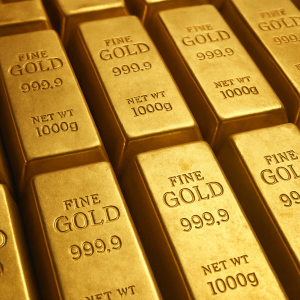
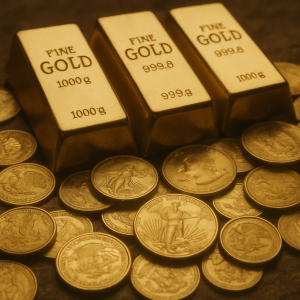
Investing in physical gold, such as coins and bars, offers a tangible asset that can be stored securely. The value of these items is directly tied to the current gold price and their weight and purity. Understanding the benefits and risks of holding physical gold is essential for investors.
Smaller gold items, like a 2.5g gold piece or a 1/10 oz gold coin, are popular among investors looking for affordable options. These items are easier to liquidate and can be a good starting point for new investors. Considering the liquidity and accessibility of smaller gold investments can aid in portfolio diversification.
For those who prefer not to hold physical gold, Exchange Traded Funds (ETFs) and mutual funds offer a way to invest in gold without the need for storage. These financial products track the price of gold and can be bought and sold like stocks. Understanding the benefits and risks of these alternative investments can help investors make informed decisions.
Understanding the worth of gold involves more than just knowing the current price. It requires an awareness of market trends, the specific value of coins and bars, and the various factors that influence gold’s price. By staying informed, investors can make sound decisions that enhance their portfolios and preserve their wealth.
In summary, whether you’re interested in gold trading, collecting specific coins, or simply investing in gold as a hedge against economic uncertainty, understanding the nuances of gold worth is key to maximizing your investment potential. Stay updated with market trends, analyze gold statistics, and consider expert forecasts to navigate the dynamic world of gold investment successfully.
Q&A
Question: What are the main forces that drive gold’s price, and how does the US dollar factor in? Short answer: Gold prices are shaped by geopolitics, currency movements, and supply–demand dynamics. Tensions or instability (e.g., crises, conflicts) often push investors toward gold as a safe haven, lifting prices. Because gold is priced globally in US dollars, a stronger dollar generally pressures gold lower, while a weaker dollar makes gold cheaper for non‑USD buyers and can boost demand. On the supply side, mining output and new discoveries matter; on the demand side, jewelry, industrial use, investment flows, and central bank activity all influence price.
Question: How does the LBMA Gold Price influence daily gold rates, and what can cause day-to-day moves? Short answer: The London Bullion Market Association (LBMA) sets a widely recognized benchmark—fixed twice daily in US dollars—that serves as the reference for global transactions. While prices fluctuate continuously in markets, this benchmark anchors pricing for many deals. Daily moves often respond to economic reports, interest rate changes, and stock market performance, which collectively shape risk appetite and currency moves.
Question: Why can certain gold coins be worth more than their melt value? Short answer: Many coins carry numismatic value—premiums tied to history, rarity, condition, and collector demand—beyond their gold content. Factors include:
- Historical significance (e.g., pieces from notable eras like the James Madison period)
- Rarity and limited mintage (including special issues such as gold quarters)
- Condition/grade (with “mint state” coins commanding more; commonly assessed via the Sheldon Scale)
- Collector trends (desirability of designs or series, such as the 2000 gold dollar or coins that complete a set like certain 5 gold coins)
Question: How should I evaluate the worth of a specific coin like a gold quarter, a 2000 gold dollar, or a 5 gold coin? Short answer: Use a structured approach:
- Identify purity and weight to estimate intrinsic (melt) value from current gold prices.
- Assess condition using accepted grading standards (e.g., Sheldon Scale); higher grades earn higher premiums.
- Research rarity: mintage figures, production nuances, or errors that might boost scarcity.
- Gauge demand by checking collector interest and market trends; coins that complete a series (e.g., certain 5 gold coins) often fetch more.
- Consider historical context—eras tied to major events (like the James Madison period) can elevate value.
Question: What are my main options to invest in gold, and when might each make sense? Short answer:
- Physical gold (coins/bars): Tangible asset whose value tracks gold’s price plus any numismatic premium. Best if you want direct ownership and can store securely.
- Smaller denominations (e.g., 2.5g pieces, 1/10 oz coins): More affordable and liquid per unit; good for incremental buying or easier resale.
- ETFs and mutual funds: Track gold prices without storage needs; trade like stocks and suit those preferring simplicity and market access. Across all options, monitor macro conditions (geopolitics, USD trends, economic indicators) and gold market statistics to time entries and manage risk.