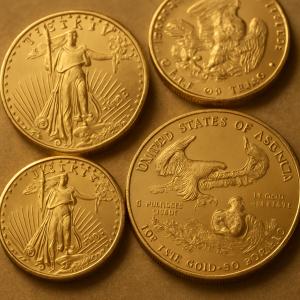
Gold bar price per ounce
Investing in gold has been a trusted strategy for centuries. Its allure as a stable, valuable resource has transcended generations, making it a cornerstone in the portfolio of many investors. Whether you’re a seasoned investor or just starting your journey, understanding the gold bar price per ounce is crucial. Gold has always held a special place in the world of investments due to its stability and potential for significant returns. In this comprehensive guide, we will delve into the various aspects of gold bar pricing, helping you make informed investment decisions. From understanding the nuances of the gold market to the specific factors influencing prices, this guide aims to equip you with the knowledge you need to navigate the gold investment landscape effectively.
Summary
This guide explains how gold bar prices per ounce are anchored to the spot price and shaped by economic conditions, inflation and currency movements, supply-demand dynamics, and geopolitical risk. It compares bar sizes and their relative premiums, reviews historical and recent trends with forward-looking considerations, and notes industrial uses that influence demand. Practical tips emphasize staying informed, diversifying portfolios, buying from reputable dealers, factoring in premiums and storage costs, and consulting advisors. Understanding these drivers helps align gold purchases with individual goals and risk tolerance.
Gold bullion refers to gold in its purest form, usually in bars or ingots. This purity and standardization make bullion a preferred choice for investors seeking tangible assets. The price of gold bullion is determined by the current market price of gold, known as the “spot price.” This price fluctuates based on a myriad of factors including market trends and geopolitical events.
The price of gold is influenced by several factors, including:
- During times of economic uncertainty, investors often seek refuge in gold as a safe haven asset. This migration can significantly drive up the prices as demand increases. Economic indicators such as GDP growth rates, unemployment figures, and fiscal policies can all impact investor sentiment and, consequently, the demand for gold.
- Gold is often seen as a hedge against inflation. When inflation rates rise, the purchasing power of currency declines, prompting investors to turn to gold to preserve their wealth. Additionally, fluctuations in currency values can also impact gold prices. For example, when the dollar weakens, gold prices often rise, as it becomes cheaper for holders of other currencies to purchase gold.
- The supply of gold is relatively fixed, with new supplies entering the market only through mining, which is a time-consuming and expensive process. Conversely, demand can fluctuate based on economic conditions, jewelry demand, and technological needs. Limited supply coupled with high demand can lead to significant price increases.
- Political instability and conflicts can lead to higher gold prices as investors seek security. Events such as wars, trade tensions, and political unrest can create uncertainty in the financial markets, prompting investors to move their assets into gold.
Gold bars come in various sizes, and their prices vary accordingly. Each size offers unique benefits and considerations, allowing investors to tailor their purchases to meet their specific investment goals and budgets.
- A 10 gram gold bar is a popular choice for small investors due to its affordability and ease of storage. These bars are an excellent entry point for those new to gold investing, allowing them to test the waters without committing a large amount of capital. The price of a 10 gram gold bar is determined by the current gold market price, with additional costs for minting and distribution. As these bars are smaller, they often carry a higher premium relative to their size.
- For those looking to invest more, a 100 gram gold bar is a solid choice. These bars offer a lower premium over the spot price compared to smaller bars, making them cost-effective for larger investments. The 100 gram size strikes a balance between affordability and significant gold content, appealing to medium-level investors who want more exposure without the bulk of larger bars.
- The 10 ounce gold bar is favored by serious investors seeking substantial investments. These bars provide significant value and are often traded at close to the gold spot price, making them an attractive option for those looking to invest heavily in gold. Due to their size, they offer better price efficiency, which is ideal for investors looking to maximize their returns.
- Similarly, a 100g gold bar is an excellent choice for investors wanting a substantial amount of gold without committing to the largest sizes. Like other large bars, they are typically priced closer to the spot price, offering value for money. This option is particularly appealing to those looking to diversify their holdings with a mid-sized investment.
- Pamp gold bars are renowned for their quality and craftsmanship, making them a favorite among collectors and investors alike. The Pamp 50 gram gold bar is a popular choice among investors who appreciate both the aesthetic and intrinsic value of gold. These bars often feature unique designs, which can add an element of collectibility in addition to their investment appeal.
Gold prices have historically trended upwards, driven by economic and geopolitical factors. Understanding these trends is crucial for making informed investment decisions and anticipating future market movements.
- In recent years, gold prices have seen substantial growth due to global economic uncertainties. The COVID-19 pandemic, trade tensions, and other geopolitical events have contributed to this trend. As investors sought safe havens during these turbulent times, the demand for gold surged, driving prices upward. This trend highlights the role of gold as a protective asset in times of crisis.
- Experts predict that gold prices will continue to rise in the coming years. While there may be fluctuations due to short-term market conditions, the overall trajectory is expected to be upward, making gold a potentially lucrative long-term investment. Factors such as ongoing geopolitical tensions, inflationary pressures, and changes in monetary policy will likely continue to influence the market.
- By examining historical data, investors can gain insights into gold’s performance over time. Historical trends can reveal patterns and cycles that are useful for predicting future movements. Analyzing past events and their impact on gold prices can also provide valuable context for current market conditions.
Apart from traditional investment demand, technological and industrial uses of gold also contribute to its price dynamics. Gold is used in various industries, including electronics and medicine, which can affect demand. As technology evolves, the demand for gold in these sectors may increase, influencing overall market prices.
Investing in gold requires careful consideration and research. By understanding the various factors at play, investors can make informed decisions that align with their financial goals and risk tolerance.
- Keep up with the latest news and trends in the gold market to make timely investment decisions. By staying informed, investors can react swiftly to changes in market conditions, seizing opportunities as they arise. Subscribing to financial news outlets and following expert analyses can provide valuable insights.
- Don’t put all your eggs in one basket. Consider diversifying your investment portfolio to mitigate risks. While gold is a valuable asset, it’s important to balance it with other investments, such as stocks, bonds, and real estate, to create a well-rounded portfolio that can withstand market volatility.
- Buy gold from reputable dealers to ensure you’re getting genuine products at fair prices. Reputable dealers offer transparency in pricing and quality assurance, reducing the risk of fraud. It’s essential to do your due diligence and verify the credibility of the dealers before making a purchase.
- Be aware of additional costs such as minting, distribution, and storage when investing in gold bars. These costs can add up and impact your overall returns. Understanding these expenses upfront can help you make more accurate calculations and set realistic expectations for your investment.
- If you’re unsure about the complexities of gold investment, consulting with financial experts can provide clarity. Financial advisors can offer personalized advice based on your individual circumstances, helping you make decisions that align with your long-term financial goals.
Gold remains a valuable asset for investors looking to secure their wealth. Understanding the gold bar price per ounce and the factors influencing it is essential for making smart investment choices. Whether you’re interested in a 10 gm gold bar price or a 10 oz gold bar price, keeping an eye on gold price trends and forecasts can help you maximize your returns. As always, make sure to do your due diligence and consult with financial experts if needed.
Invest wisely, and may your gold investment journey be prosperous!
Q&A
Question: What does “spot price” mean, and how does it determine the gold bar price per ounce?
Short answer: The spot price is the current market price for immediate delivery of gold and serves as the baseline for all bullion pricing. Gold bar prices are quoted relative to this spot price, with an added premium that covers minting, distribution, and dealer costs. Because the spot price moves with market conditions—such as economic data, inflation expectations, currency strength, and geopolitical events—the per‑ounce price of a gold bar fluctuates accordingly.
Question: Why do smaller gold bars often have higher premiums than larger bars?
Short answer: Smaller bars (e.g., 10 grams) carry higher per‑ounce premiums because fixed costs like minting, packaging, and distribution make up a larger share of their total value. Larger bars (e.g., 100 grams or 10 ounces) spread those costs over more gold, so they’re typically priced closer to the spot price, offering better price efficiency for bigger purchases.
Question: Which bar sizes might fit different investment goals?
Short answer:
- 10 gram bars: Good entry point due to lower upfront cost, but higher premiums per ounce.
- 50 gram PAMP bars: Popular with investors who value craftsmanship and design, with some collectibility appeal.
- 100 gram bars: A balanced choice for medium‑level investors; generally lower premiums than smaller bars.
- 10 ounce bars: Favored by serious investors; often priced closest to spot for maximum price efficiency.
Question: What are the main forces that move gold prices up or down?
Short answer: Gold prices respond to a mix of macro and market drivers:
- Economic uncertainty: Safe‑haven demand often rises when growth slows or risks increase.
- Inflation and currencies: Gold is used as an inflation hedge; a weaker dollar usually supports higher gold prices.
- Supply and demand: Mining adds supply slowly, while demand shifts with investment, jewelry, and technology needs.
- Geopolitical risk: Wars, trade tensions, and political instability can push investors toward gold. Industrial uses in electronics and medicine also contribute to demand and can influence price dynamics.
Question: What recent trends and future considerations should investors keep in mind?
Short answer: Recently, gold prices have risen amid global uncertainties such as the COVID‑19 pandemic and trade tensions, underscoring gold’s safe‑haven role. Many experts expect an overall upward bias over time, though short‑term swings are likely. Going forward, watch inflation pressures, currency moves, monetary policy changes, and geopolitical developments. Reviewing historical data can help contextualize current moves, but investors should stay informed, account for premiums and storage costs, buy from reputable dealers, diversify their portfolios, and consult financial advisors to align gold purchases with their goals and risk tolerance.