Bullion market
The bullion market is a fascinating world where precious metals like gold and silver are traded. These metals are not only valuable but also hold significant importance in the financial markets. This article aims to be a thorough resource, exploring the current trends in the bullion market, delving into forecasts for the coming years, and understanding the factors influencing gold and silver prices. Whether you’re an investor seeking guidance or simply curious about the commodity market, this guide offers valuable insights to enhance your understanding and strategy.

Summary
The bullion market centers on trading gold and silver in coins, bars, and ingots, valued as investments, inflation hedges, safe-haven assets, and for key industrial uses. In 2023, gold stayed resilient amid geopolitics, inflation, and dollar moves, while silver’s industrial demand (notably electronics and solar) grew alongside high volatility. Looking ahead, South Africa’s gold output is expected to stabilize through 2025 amid cost and regulatory pressures, and prices will hinge on interest rates, inflation, currency dynamics, and silver’s dual role. Broader drivers include economic indicators, geopolitics, technology, and sustainability trends, with green tech and climate-related regulations increasingly shaping supply, demand, and investment strategies.
Understanding the Bullion Market
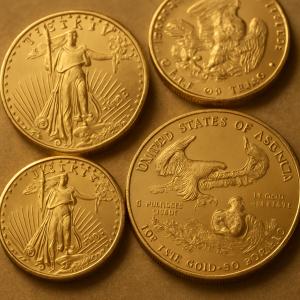
The bullion market involves the trading of precious metals like gold and silver. These metals are traded in various forms, such as coins, bars, and ingots. The market is driven by demand for these metals as investments, hedges against inflation, and safe-haven assets during economic uncertainties.
Forms of Bullion Trading
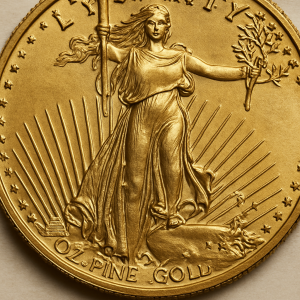
Bullion is traded in several forms, each with its own market dynamics and investment appeal. Coins and bars are popular among individual investors for their tangible value and ease of storage. Ingots, typically larger and purer forms of bullion, are favored by institutional investors and central banks. The choice between these forms often depends on the investor’s goals, liquidity preferences, and market outlook.
Historical Significance
Gold and silver have been revered throughout history, not just for their beauty but for their utility as currency and symbols of wealth. From ancient civilizations to modern economies, these metals have served as a stable store of value, often providing a refuge during periods of economic turmoil. Understanding this historical context enriches our perspective on their enduring appeal in the bullion market.
Economic and Cultural Impact
Beyond their financial significance, gold and silver play vital roles in various cultures and industries. Gold’s use in jewelry and electronics, and silver’s applications in industrial processes and photography, highlight their diverse utility. This multifaceted demand underscores the complexity of the bullion market, where cultural preferences and technological advancements intersect with economic considerations.
Key Players in the Bullion Market
The bullion market comprises various participants, including central banks, financial institutions, individual investors, and mining companies. Each player has a unique role in shaping the market dynamics and influencing price movements.
Central Banks
Central banks are major players, holding significant reserves of gold as part of their monetary policy strategies. These institutions buy and sell gold to manage currency stability and economic health, making their actions a crucial factor in global bullion pricing. Their decisions can have ripple effects across the market, influencing both short-term fluctuations and long-term trends.
Financial Institutions
Investment banks and hedge funds are active in the bullion market, engaging in trading and speculation to capitalize on price movements. These entities use sophisticated financial instruments, such as futures and options, to hedge risks and enhance returns. Their strategies often involve analyzing macroeconomic indicators, geopolitical developments, and market sentiment to forecast price trends.
Individual Investors
Individual investors, ranging from small-scale buyers to high-net-worth individuals, contribute to the market’s liquidity and diversity. They invest in bullion for various reasons, including wealth preservation, diversification, and speculative gains. Understanding their motivations and behaviors is essential for grasping the market’s overall dynamics and predicting potential shifts.

Market Trends 2023
As we move through 2023, several trends have emerged in the bullion market. Understanding these trends can help investors make informed decisions.
Gold Price Trends
Gold has always been a popular choice for investors seeking stability. In 2023, gold prices have shown resilience amid global economic uncertainties. Factors like geopolitical tensions, inflation concerns, and currency fluctuations have contributed to the steady demand for gold.
Geopolitical Influence
In 2023, geopolitical events have played a significant role in shaping gold prices. Tensions in regions like Eastern Europe and the Middle East have heightened uncertainty, prompting investors to seek safe-haven assets like gold. The metal’s ability to retain value during political turmoil underscores its appeal as a protective investment.
Inflationary Pressures
With global economies grappling with inflation, gold’s reputation as a hedge against rising prices has come to the forefront. Central banks’ monetary policies, including interest rate adjustments, have further influenced gold demand. As inflation concerns persist, gold’s role as a store of value remains pivotal for investors looking to preserve purchasing power.
Currency Dynamics
Currency fluctuations, particularly involving the US dollar, have impacted gold prices. A weaker dollar often boosts gold’s appeal to international investors, as it becomes cheaper in other currencies. Conversely, a stronger dollar can exert downward pressure on gold prices, highlighting the intricate relationship between currency markets and bullion dynamics.
Silver Market Updates
Silver, often considered the poor man’s gold, has also seen interesting trends in 2023. Industrial demand, especially from the electronics and renewable energy sectors, has bolstered silver’s appeal. However, price volatility remains a characteristic feature of the silver market.
Industrial Demand Surge
The rise of renewable energy technologies, particularly solar panels, has significantly increased silver’s industrial demand. As countries transition towards greener energy solutions, silver’s conductivity and reflectivity make it a critical component. This demand surge has positioned silver as not just a precious metal but an essential industrial commodity.
Price Volatility Factors
Silver’s market is inherently volatile, influenced by both industrial demand and speculative trading. Fluctuations in global manufacturing output, trade policies, and investor sentiment contribute to its price swings. Understanding these volatility factors is crucial for investors aiming to capitalize on short-term opportunities in the silver market.
Investment and Speculation
Silver’s dual nature as an industrial and precious metal attracts a diverse range of investors. While some seek long-term stability through physical holdings, others engage in speculative trading to profit from price movements. This blend of investment strategies adds complexity to the silver market, necessitating a nuanced approach for those involved.
South Africa Precious Metals Bullion Market Trends 2024-2025
South Africa, known for its rich mineral resources, plays a significant role in the global bullion market. Let’s explore the trends expected in the South African precious metals market for 2024 and 2025.
Gold Production and Exports
South Africa has historically been one of the largest producers of gold. As we look ahead to 2024 and 2025, production levels are expected to stabilize. However, challenges like rising production costs and regulatory changes could impact the industry’s growth.
Stabilization of Production Levels
Despite past fluctuations, South Africa’s gold production is anticipated to stabilize. Improved mining techniques and technological advancements are expected to enhance efficiency, counteracting some of the industry’s longstanding challenges. This stability is crucial for maintaining South Africa’s position in the global bullion market.
Challenges and Regulatory Changes
The South African gold industry faces several challenges, including rising operational costs and evolving regulatory landscapes. Labor disputes, energy supply issues, and environmental regulations could affect production levels. Navigating these challenges requires strategic planning and adaptation from mining companies.
Export Market Dynamics
South Africa’s role as a leading gold exporter is vital for its economy. Global demand for gold, influenced by geopolitical and economic factors, will impact export volumes. Understanding these dynamics is essential for stakeholders aiming to capitalize on international market opportunities.
Silver Market Potential
While gold dominates the South African precious metals market, silver holds potential for growth. Increased industrial demand, coupled with technological advancements, could drive silver’s market share in the coming years.
Technological Advancements
Advancements in mining technology are expected to enhance silver extraction and processing in South Africa. These innovations could reduce costs and improve yield, making silver a more attractive investment. As technology evolves, South Africa’s silver industry may experience growth and increased competitiveness.
Industrial Demand Drivers
The growing demand for silver in electronics, automotive, and renewable energy sectors presents opportunities for South Africa’s silver market. As global industries shift towards more sustainable practices, silver’s industrial applications are expected to expand. Capitalizing on this demand requires strategic investments and market positioning.
Market Expansion Strategies
To realize its full potential, South Africa’s silver market must explore new avenues for expansion. Diversifying export markets, enhancing domestic consumption, and fostering innovation are key strategies. These efforts can help South Africa solidify its position as a significant player in the global silver market.

by Zlaťáky.cz (https://unsplash.com/@zlataky)
Precious Metals Forecast
Forecasting the prices of precious metals involves analyzing various factors, including supply and demand dynamics, economic indicators, and geopolitical events. Let’s delve into the forecast for gold and silver prices.
Gold Price Forecast
Analysts predict that gold prices will continue to experience fluctuations. Factors such as interest rate changes, inflation rates, and currency movements will play a crucial role in determining gold’s price trajectory. However, the metal’s status as a safe-haven asset will likely support its long-term value.
Interest Rate Impacts
Interest rate decisions by central banks are pivotal in shaping gold’s price outlook. Higher interest rates can increase the opportunity cost of holding non-yielding assets like gold, potentially dampening demand. Conversely, lower rates often boost gold’s appeal as an investment, as investors seek alternatives to low-yielding bonds.
Inflationary Expectations
Inflation expectations are closely monitored by market participants as they influence gold’s attractiveness. Rising inflation typically enhances gold’s appeal as a hedge, driving demand and prices upward. Analysts expect inflation trends to remain a key determinant of gold’s trajectory in the coming years.
Safe-Haven Appeal
Gold’s enduring reputation as a safe-haven asset continues to underpin its long-term value. In times of economic or geopolitical uncertainty, investors flock to gold for its stability and perceived security. This safe-haven appeal is expected to provide ongoing support for gold prices, even amid market volatility.
Silver Price Movements
Silver prices are expected to be influenced by industrial demand, particularly from sectors like electronics and solar energy. Additionally, investor sentiment and market speculation could contribute to short-term price swings.
Industrial Demand Projections
The outlook for silver’s industrial demand remains robust, driven by technological advancements and sustainability initiatives. As industries adopt cleaner technologies, silver’s role in electronics and renewable energy is set to expand. These projections highlight silver’s dual function as both a precious and industrial metal.
Speculative Market Dynamics
Silver’s market is characterized by speculative activity, with traders seeking to profit from price volatility. Short-term swings driven by market speculation can create opportunities for astute investors. Understanding these dynamics is crucial for navigating silver’s often unpredictable price movements.
Long-Term Investment Considerations
For long-term investors, silver presents both challenges and opportunities. While its price can be volatile, silver’s industrial applications and historical value offer potential for growth and stability. Carefully considering market conditions and strategic entry points can enhance long-term investment success.
Factors Influencing the Bullion Market
Several factors influence the dynamics of the bullion market. Understanding these factors can provide valuable insights into price movements and market trends.
Economic Indicators
Economic indicators, such as GDP growth rates, employment data, and inflation figures, impact the demand for precious metals. During economic downturns, investors often turn to gold and silver as safe-haven assets.
GDP Growth and Precious Metals
GDP growth directly correlates with consumer and investor confidence, influencing precious metal demand. Strong economic growth can lead to increased disposable income, driving investment in gold and silver. Conversely, during economic slowdowns, these metals often become attractive as hedges against uncertainty.
Employment Data and Market Sentiment
Employment figures provide insights into economic health and stability, influencing market sentiment. High employment levels can boost consumer spending and investment, impacting precious metal demand. Conversely, rising unemployment may lead investors to seek safe-haven assets, increasing gold and silver demand.
Inflationary Pressures and Hedging
Inflation remains a key factor in the bullion market, as investors seek to protect their purchasing power. Gold and silver are traditional hedges against inflation, with their value often rising in tandem with price increases. Monitoring inflationary trends is essential for anticipating shifts in precious metal demand.
Geopolitical Events
Geopolitical tensions, trade disputes, and political instability can create uncertainty in financial markets. In such times, the demand for precious metals tends to rise, driving up their prices.
Trade Disputes and Market Volatility
Trade disputes between major economies can disrupt global markets and impact precious metal prices. Tariffs, sanctions, and trade barriers create uncertainty, prompting investors to seek safe-haven assets like gold. Understanding these geopolitical dynamics is crucial for anticipating market reactions.
Political Instability and Investment Flows
Political instability, whether through elections, coups, or policy changes, can lead to market volatility. In such environments, investors often flock to precious metals for stability and security. Analyzing political developments and their potential impact on investment flows is vital for navigating the bullion market.
Global Conflicts and Security Concerns
Global conflicts and security concerns can have immediate effects on precious metal prices. In times of heightened geopolitical tensions, gold and silver often experience increased demand as investors seek to mitigate risk. Monitoring these developments and their implications can inform strategic investment decisions.
Currency Fluctuations
The strength or weakness of major currencies, particularly the US dollar, can influence the bullion market. A weaker dollar often makes gold and silver more attractive to investors, leading to increased demand.
US Dollar Dynamics
The US dollar’s value plays a crucial role in determining the attractiveness of gold and silver to international investors. A strong dollar can depress bullion prices by making them more expensive in other currencies. Conversely, a weaker dollar typically boosts demand, highlighting the importance of currency analysis in bullion market strategies.
Exchange Rates and Global Trade
Exchange rate fluctuations impact global trade dynamics, influencing the cost and demand for precious metals. Changes in currency values can affect export competitiveness and import costs, impacting bullion markets. Analyzing exchange rate trends is essential for understanding their effects on precious metal prices.
Inflation and Currency Correlations
Inflation and currency values are closely linked, with inflationary pressures often leading to currency depreciation. As currencies weaken, gold and silver become attractive hedges against both inflation and currency risk. Understanding these correlations is vital for anticipating shifts in investor behavior and bullion demand.
Technological Advancements
Advancements in technology can impact the demand for precious metals. For instance, the growing use of silver in electronics and renewable energy technologies has boosted its industrial demand.
Innovations in Mining Technology
Technological advancements in mining processes can enhance efficiency and reduce costs, impacting precious metal supply. Innovations such as automation and data analytics improve extraction and processing, influencing market dynamics. Staying informed about these technological trends is crucial for understanding supply-side developments.
Silver’s Role in Electronics
Silver’s superior electrical conductivity makes it indispensable in electronics manufacturing. As technology advances and demand for electronic devices grows, silver’s industrial applications are set to expand. This trend underscores the importance of technological progress in shaping silver’s market outlook.
Renewable Energy and Metal Demand
The push towards renewable energy has increased demand for metals like silver and copper, essential for solar panels and other technologies. As the world transitions to cleaner energy sources, the role of precious metals in this sector becomes increasingly important. Monitoring these technological trends can provide insights into future demand shifts.
Commodity Market Trends
The bullion market is part of the broader commodity market, which includes various raw materials and natural resources. Let’s take a brief look at some overarching trends in the commodity market.
Rising Demand for Green Commodities
The global push towards sustainability has increased demand for green commodities, including precious metals used in renewable energy technologies. This trend is expected to continue, influencing the bullion market.
Sustainable Practices and Market Impact
Sustainable mining practices are gaining traction, driven by environmental concerns and regulatory pressures. These practices impact the supply chain and production costs of precious metals. Understanding their implications is crucial for anticipating changes in market dynamics and investor sentiment.
Green Technology and Metal Demand
The transition to green technology, including electric vehicles and renewable energy systems, has increased demand for metals like lithium, cobalt, and silver. These metals are essential for producing batteries, solar panels, and other technologies. Analyzing this demand shift is vital for forecasting bullion market trends.
Environmental Regulations and Market Responses
Stricter environmental regulations are shaping the commodity market, affecting mining operations and metal supply. Compliance with these regulations can impact production costs and availability, influencing market prices. Monitoring regulatory developments is essential for understanding their effects on the bullion market.
Impact of Climate Change
Climate change has brought attention to the environmental impact of mining activities. As a result, there is a growing emphasis on sustainable mining practices, which could affect the supply dynamics of precious metals.
Climate Change Mitigation Efforts
Efforts to mitigate climate change are influencing commodity markets, including precious metals. Initiatives to reduce carbon emissions and promote sustainability are reshaping industry practices. Understanding these efforts and their impact on metal demand is crucial for strategic planning.
Mining Industry Adaptations
The mining industry is adapting to climate change by implementing eco-friendly practices and technologies. These adaptations can affect production efficiency, cost structures, and supply dynamics. Analyzing industry responses to climate change provides insights into future market trends.
Investor Sentiment and Environmental Concerns
Investor sentiment is increasingly influenced by environmental considerations, driving demand for sustainably sourced metals. Companies prioritizing eco-friendly practices may attract more investment, impacting market dynamics. Understanding this sentiment shift is essential for aligning investment strategies with evolving market preferences.
Conclusion
The bullion market is a dynamic and complex landscape, influenced by a myriad of factors ranging from economic indicators to technological advancements. As we navigate through 2023 and beyond, understanding these trends and forecasts can help investors make informed decisions. Whether you’re interested in gold, silver, or the broader commodity market, staying informed is key to navigating this ever-evolving market successfully.
In summary, the bullion market offers opportunities and challenges, and by keeping an eye on market trends and forecasts, investors can position themselves for success in this intriguing world of precious metals. Staying updated with the latest developments and understanding the interplay of various factors will empower investors to make strategic decisions in the face of market volatility and uncertainty.