24k gold per ounce today
Gold has always been a symbol of wealth and prosperity. Its allure is timeless, and its value fluctuates with the ebb and flow of the market. Today, we delve into the world of 24k gold, its current price per ounce, and what factors influence this precious metal’s value.

Summary
24k gold is 99.9% pure, prized for investment but softer and less durable for everyday wear. Its per‑ounce price moves with economic indicators, geopolitical events, and U.S. dollar strength, and history shows gold often acts as a safe haven with long-term appreciation. Investors can choose from physical gold, ETFs, and mining stocks while accounting for premiums, diversification, and risk management. Product prices (chains, small bars, jewelry) vary by weight, design, and brand, and forecasts draw on trend analysis, expert opinions, and market sentiment.
Before we dive into the numbers, it’s essential to understand what 24k gold is. The “k” in 24k stands for karats, a measure of gold purity. Pure gold, which is 24 karats, is 99.9% gold with no other metals mixed in. This is why 24k gold is highly sought after, especially for investment purposes.
The Purity of Gold
The purity of gold is what sets 24k apart from other karat levels. Unlike 18k or 14k gold, which contain other metals like silver or copper, 24k gold’s purity gives it a distinct luster and softness. This purity makes it more malleable, ideal for investment, but less durable for everyday wear.
Historical Significance
Historically, 24k gold has been revered across cultures and civilizations. From ancient Egyptian tombs to Asian dynasties, pure gold has symbolized power, divinity, and wealth. Understanding this historical context can deepen appreciation for its value today.
Investment Appeal
24k gold’s purity and intrinsic value make it a preferred choice for investors. Unlike stocks or real estate, gold offers a tangible asset that isn’t susceptible to default or devaluation. Its universal recognition ensures liquidity, providing a reliable hedge against economic instability.
Live Gold Prices: What to Expect Today
Gold prices fluctuate daily due to various factors, including economic data, geopolitical events, and changes in currency value. As of today, the live gold price for 24k gold is a reflection of these dynamic factors.
Daily Market Movements
The gold market is highly dynamic, with prices changing multiple times within a single day. These fluctuations can be attributed to trading activities in global markets, particularly in major hubs such as London, New York, and Hong Kong. Traders and investors closely monitor these movements to capitalize on price differences.
Economic Indicators
Economic stability plays a significant role in gold prices. In times of economic uncertainty, investors often turn to gold as a safe haven. For example, inflation rates, interest rates, and employment data can all impact gold’s value.
Geopolitical Events
Tensions or conflicts in major economies can lead to a surge in gold prices. Political instability often prompts investors to seek security in gold, driving up its demand and price.
Currency Fluctuations
Since gold is priced in U.S. dollars, fluctuations in the dollar’s value can impact gold prices. A weaker dollar makes gold cheaper for holders of other currencies, increasing demand and potentially raising prices.
Understanding Gold Price History

To understand where gold prices are headed, it’s helpful to look back at their history. Over the last decade, gold has seen significant highs and lows. For instance, in 2011, gold reached an all-time high of over $1,900 per ounce. Such historical data can provide insights into future trends.
Analyzing Trends
Analyzing past market trends can help investors make informed decisions. Gold’s historical performance during economic downturns can offer clues about its potential behavior in current or future economic climates.
Historical Peaks and Troughs
Understanding the historical peaks and troughs in gold prices provides a framework for future predictions. Significant highs, like those in 2011, often coincide with major economic events. Conversely, periods of price drops can signal economic recovery or shifts in investor sentiment.
Lessons from Past Crises
The 2008 financial crisis, for instance, saw gold prices soar as traditional markets faltered. Analyzing such events helps investors understand gold’s role as a crisis commodity, often providing stability when other assets lose value.
Long-Term Growth
Despite short-term fluctuations, gold has demonstrated a long-term upward trajectory. Historical data shows that over extended periods, gold tends to appreciate, making it a reliable store of value and a cornerstone for long-term investment strategies.
Current Gold Value and Investment
The current value of gold is pivotal for both buyers and investors. Today, the price for 1 oz of 24k gold is closely watched by those looking to buy or sell gold.
Gold Investment Tips
Investing in gold requires careful consideration. Here are a few tips for potential investors:
- Diversify Your Portfolio: Gold should be a part of a diversified investment portfolio. Its value often moves inversely to other asset classes, such as stocks and bonds.
- Stay Informed: Keep an eye on economic indicators and geopolitical events that could impact gold prices.
- Consider Long-Term Investment: Gold is often viewed as a long-term investment. Its value tends to appreciate over time, making it an ideal choice for those looking to hedge against inflation.
Types of Gold Investments
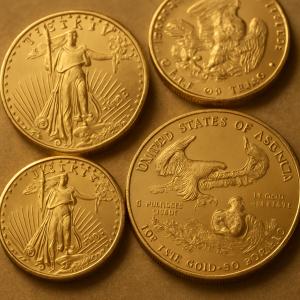
Investors have various options when it comes to investing in gold. These include physical gold like bullion and coins, gold ETFs (Exchange Traded Funds), and mining stocks. Each type offers different benefits and risks, catering to diverse investment strategies.
Understanding Gold Premiums
When purchasing physical gold, investors should be aware of premiums over the spot price. These premiums cover manufacturing, distribution, and dealer costs. Understanding these additional costs ensures more accurate investment evaluations.
Risk Management
While gold is a stable investment, it is not without risks. Market volatility, geopolitical changes, and economic shifts can impact prices. Diversification and continuous market analysis are key to mitigating potential risks associated with gold investments.
Prices of Gold Products
Gold isn’t just traded as bullion or coins; it’s also crafted into jewelry and other items. Let’s explore the prices of some popular gold products.
24k Pure Gold Chain Price
The price of a 24k pure gold chain varies based on weight and design. As gold prices fluctuate, so do the costs of these chains. It’s essential to consider both the current gold rate and the craftsmanship involved.
5 Gram 24k Gold Price
For those interested in smaller investments, a 5 gram 24k gold piece is a popular choice. The price will depend on the current gold rate and any additional premiums charged by sellers.
24k Gold Labubu Price
Labubu gold products are renowned for their craftsmanship. The price of 24k gold Labubu items will also be influenced by the current market rate and design intricacies.
24k Gold Grillz Price
Gold grillz, popular in fashion circles, are another way people invest in gold. The price for 24k gold grillz can vary significantly based on design and weight.
Variations in Jewelry Prices
Gold jewelry prices vary widely, influenced by factors such as design complexity, brand reputation, and market demand. High-end brands may command a premium due to their craftsmanship and exclusivity.
Customized Gold Products
Many jewelers offer customization options, allowing buyers to create unique pieces. Custom designs often come with additional costs due to the intricate work and personalized service involved.
Investment vs. Ornamentation
While some purchase gold jewelry purely for adornment, others view it as an investment. Understanding the resale value and potential appreciation of gold jewelry can influence purchasing decisions, balancing aesthetics with financial considerations.
Gold Price Forecast

by Zlaťáky.cz (https://unsplash.com/@zlataky)
Predicting gold prices isn’t an exact science, but analysts use various tools and indicators to forecast potential movements.
Gold Market Trends
Understanding current market trends can provide insights into future price movements. Observing patterns in economic data, geopolitical events, and currency fluctuations can help anticipate changes in gold’s value.
Expert Opinions
Consulting expert opinions can also be beneficial. Analysts often provide insights based on data and trends, helping investors make informed decisions.
Analytical Tools
Analysts utilize various tools, such as technical charts and economic models, to predict gold price movements. These tools help identify patterns and potential turning points in the market, guiding investment strategies.
Economic and Political Indicators
Key indicators like GDP growth, inflation rates, and geopolitical tensions are closely monitored. These factors significantly influence gold prices, and understanding their interplay is crucial for accurate forecasts.
Sentiment Analysis
Investor sentiment, gauged through surveys and market behavior, also plays a role in price predictions. Positive sentiment can drive prices up, while negative sentiment may lead to declines, making it a valuable tool in forecasting.
Conclusion
The allure of gold is undeniable, and understanding its market dynamics is essential for both buyers and investors. By keeping an eye on live gold prices, analyzing historical data, and staying informed about global events, one can navigate the complexities of the gold market with greater confidence. Whether you’re purchasing a 24k gold chain or investing in gold coins, knowledge is your most valuable asset. Understanding the nuances of gold investment can provide a solid foundation for making informed decisions in an ever-changing market.