How Much Is the 24K Gold Price Today?
Gold has been a symbol of wealth and prosperity throughout human history. Its timeless appeal and inherent value make it a popular choice for investors and jewelry enthusiasts alike. But when it comes to 24k gold, many wonder about the 24k gold price, its cost, and how it fluctuates over time. In this article, we’ll explore the factors that influence the price of 24k gold and provide insights into its current market value.

Summary
24k gold is 99.9% pure, culturally significant, and softer than lower-karat alloys, which affects its uses and pricing. Its price moves with supply and demand, mining output, central bank actions, inflation, currency shifts, and geopolitical or economic uncertainty. Illustrative retail ranges cited here include about $200–$500 per gram for simple chains, $250–$400 for 5 g pieces, $500–$800 for 10 g, and $1,800–$2,000 for 1 oz coins, with premiums, taxes, and design influencing totals; always check live spot quotes for today’s rate. For investors, diversification, staying informed, and considering gold ETFs alongside physical bullion can help manage risk.
Before delving into prices, it’s essential to understand what 24k gold is. The “k” stands for karat, a measure of gold’s purity. 24k gold is considered pure gold, meaning it contains no other metals or impurities. This purity makes it highly sought after but also more susceptible to scratching and bending compared to lower karat gold, which is mixed with other metals for durability.
The Purity of 24K Gold
24k gold is the purest form of gold available, consisting of 99.9% gold content. This high level of purity gives it a distinctive bright yellow color, making it easily recognizable. The absence of other metals means 24k gold is softer, which is why it’s often used in applications where its malleability is an advantage, such as in intricate jewelry designs.
Characteristics and Uses of 24K Gold
Due to its softness, 24k gold is not typically used for everyday jewelry that requires durability, like rings and bracelets. Instead, it’s often reserved for special pieces or items that are not subject to daily wear. Additionally, 24k gold is extensively used in technology and medical applications, where its non-reactive properties are beneficial.
Cultural Significance of 24K Gold
In many cultures, 24k gold holds a significant place in traditions and ceremonies. It is often associated with purity, wealth, and status. In countries like India and China, gifting 24k gold during weddings or festivals is customary, highlighting its cultural and emotional value.
Factors Influencing 24K Gold Prices
Several factors contribute to the fluctuating cost of 24k gold. Here are some key elements to consider:
Market Demand and Supply
The basic economic principle of supply and demand plays a significant role in gold pricing. If demand for gold increases and supply remains constant, prices are likely to rise. Conversely, if supply exceeds demand, prices might fall.
Global Gold Production
The supply of gold is largely dependent on global mining activities. Countries like China, Australia, and Russia are among the top producers. Any disruption in mining activities, whether due to political unrest, environmental policies, or labor strikes, can affect gold supply and subsequently, its price.
Consumer Demand Trends
Consumer demand for gold varies across regions and is influenced by cultural, economic, and seasonal factors. For example, demand typically spikes during wedding seasons in India and during Chinese New Year, driving up prices. Additionally, economic prosperity in a region can boost consumer purchasing power, increasing demand for gold.
Central Bank Policies
Central banks hold substantial reserves of gold and can influence its price through their buying or selling activities. When central banks decide to increase their gold reserves, it can signal confidence in gold’s value, leading to increased demand and higher prices.
Gold Price History
Gold has experienced various price trends over the years. Historical events, such as economic recessions, political instability, and changes in central bank policies, have all influenced gold prices. By examining these trends and conducting gold price analysis, investors can gain insights into potential future movements.
Economic Recessions
During times of economic downturn, gold is often seen as a safe-haven asset. Investors flock to gold to protect their wealth, which typically drives up prices. Historical data shows a strong correlation between economic uncertainty and rising gold prices.
Political Instability
Geopolitical tensions and conflicts can lead to increased volatility in financial markets. In such scenarios, gold is perceived as a stable store of value, resulting in heightened demand and price increases.
Inflation Rates
Gold is often used as a hedge against inflation. When inflation rates are high, the purchasing power of currency decreases, prompting investors to turn to gold as a means to preserve value. This relationship has been a significant factor in gold’s historical price movements.
Gold Market Trends

The global gold market is influenced by various factors, including geopolitical events, currency fluctuations, and global economic conditions. Investors closely monitor these trends to make informed decisions about buying or selling gold.
Geopolitical Events
Global political events, such as elections, trade wars, and international conflicts, can create uncertainty in financial markets. Gold, being a safe-haven asset, often sees increased demand during such times, which can lead to price surges.
Currency Fluctuations
Gold is typically priced in U.S. dollars, so fluctuations in currency value can impact gold prices. A weaker dollar generally leads to higher gold prices, as it becomes more affordable for buyers using stronger currencies.
Technological Advancements
Innovations in mining technology and gold extraction methods can affect the supply side of the gold market. More efficient extraction processes can increase supply, potentially stabilizing or reducing prices, depending on demand levels.
Current 24K Gold Prices
To get a sense of the current gold value—and the gold price today—let’s examine some common 24k gold items and their prices. If you’re comparing the 24k gold cost across products, note that premiums, design, and retailer margins can vary.
24K Pure Gold Chain Price
A 24k pure gold chain’s cost depends on its weight and craftsmanship. On average, a simple 24k gold chain might range from $200 to $500 per gram, but intricate designs or brand names can drive prices higher. The 24k gold chain price can also reflect regional taxes and import duties.
Factors Affecting Chain Prices
The price of a 24k gold chain is influenced by factors such as the weight of the gold, the intricacy of the design, and the reputation of the brand or jeweler. Custom designs and handcrafted pieces often command higher prices due to the labor and artistry involved.
Popularity and Demand
Gold chains are a staple in many cultures, often seen as a symbol of status and wealth. This popularity ensures steady demand, which can affect prices, especially during peak shopping seasons or cultural festivals.
Investment Value
For many, purchasing a 24k gold chain is not just about aesthetics but also about investment. The chain’s value can appreciate over time, making it a dual-purpose purchase—both as an adornment and a financial asset.
5 Gram 24K Gold Price
A 5-gram piece of 24k gold will generally cost between $250 and $400, depending on market conditions. This size is popular among investors looking for small, portable assets. When comparing the 5 gram 24k gold price across sellers, check for mint reputation and purity certificates.
Accessibility and Affordability
5-gram gold pieces are an attractive option for investors due to their affordability and ease of storage. They offer a way to invest in gold without the need for significant capital, making them accessible to a broader range of investors.
Ideal for Gifting
Small gold pieces like the 5-gram bars or coins are popular gift items. They are considered thoughtful and valuable gifts for occasions like weddings, anniversaries, and religious ceremonies, which can drive demand and influence prices.
Resale and Liquidity
Due to their smaller size, 5-gram gold pieces are easy to sell when needed. Their high liquidity and widespread acceptance in the market make them a practical choice for both new and seasoned investors.
10 Grams 24K Gold Price Today
For buyers seeking a round number weight, the 10 grams 24k gold price today typically scales from recent spot prices and may range roughly from $500 to $800, before retailer premiums and taxes. Always compare quotes and verify purity.
1 oz 24K Gold Coin Price Today
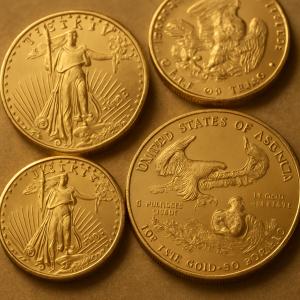
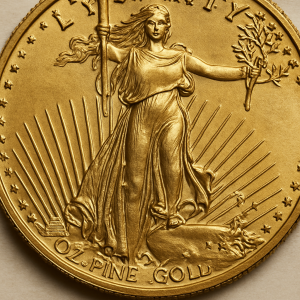
The price of a 1 oz 24k gold coin fluctuates daily based on market conditions. As of today, it might range from $1,800 to $2,000, reflecting the current gold rate and market trends.
Historical Significance and Collectability
Gold coins hold historical significance and are often sought after by collectors. The rarity of certain coins can add a premium to their value, making them more than just a gold investment. Niche collectibles—such as limited editions—may command higher premiums; for example, references to a 24k gold Labubu price often reflect branding and scarcity.
Mint and Purity Assurance
Coins minted by reputable organizations come with a guarantee of purity and weight, which provides assurance to buyers and can influence their market price. This trust in authenticity is a critical factor in their valuation.
Role in Diversified Portfolios
Many investors include gold coins in their portfolios as a diversification strategy. The tangible nature of coins, combined with their intrinsic value, offers a hedge against market volatility.
24K Gold Grillz Price
For those interested in unique gold items, 24k gold grillz can range from $300 to over $1,000, depending on the design and customization involved.
Customization and Design Complexity
The price of gold grillz largely depends on the customization involved. Designs that require intricate detailing or unique features will command higher prices due to the skill and labor required.
Cultural and Fashion Influence
Gold grillz have become a fashion statement, particularly in the music and entertainment industries. Their popularity can influence demand and pricing, as trends evolve and new designs emerge.
Investment and Resale Value
While primarily seen as a fashion accessory, gold grillz retain their investment value due to their gold content. They can be melted down and sold as pure gold, providing a financial safety net for the owner.
Gold Investment Tips
Investing in gold can be a smart financial move, but it’s essential to approach it wisely. Here are some tips for potential gold investors:
Diversify Your Portfolio
While gold is a valuable asset, it’s important not to put all your investment eggs in one basket. Diversifying your portfolio with various assets can reduce risk and enhance potential returns.
Balancing Risk and Reward
A well-diversified portfolio balances risk and reward by spreading investments across different asset classes. This approach minimizes the impact of poor performance in any single investment on the overall portfolio.
Incorporating Other Precious Metals
In addition to gold, consider investing in other precious metals like silver, platinum, or palladium. Each metal has unique market dynamics and can complement gold investments, providing further diversification.
Long-Term Investment Strategy
Gold is often viewed as a long-term investment. By maintaining a diversified portfolio, investors can weather short-term market fluctuations and capitalize on gold’s potential appreciation over time.
Stay Informed
Keep up with gold trading news and market trends to make informed decisions. Understanding the factors that influence gold prices can help you anticipate market movements.
Following Market Analysts
Financial analysts and industry experts regularly publish insights and forecasts on gold prices. Staying informed through reputable sources can provide valuable guidance for investment decisions.
Understanding Economic Indicators
Economic indicators such as inflation rates, employment figures, and GDP growth can impact gold prices. Understanding these indicators helps investors anticipate potential market shifts.
Leveraging Technology
Use technology to stay updated on market trends. Mobile apps and online platforms offer real-time data and analysis, making it easier for investors to track gold prices and market developments.
Consider Gold ETFs
Exchange-traded funds (ETFs) offer a convenient way to invest in gold without physically owning it. Gold ETFs track the price of gold and can be bought or sold on stock exchanges.
Advantages of Gold ETFs
Gold ETFs provide liquidity and ease of transaction, allowing investors to buy or sell shares quickly. They also offer diversification within the gold sector, as some ETFs invest in a range of gold-related assets.
Cost-Effectiveness
Investing in gold ETFs can be more cost-effective than purchasing physical gold, as it eliminates the need for storage and insurance. This makes it an attractive option for many investors.
Accessibility for All Investors
Gold ETFs are accessible to both small and large investors. With no minimum investment requirements, they offer an entry point into the gold market for those with limited capital.
Monitor Gold Price Forecasts

by 3D Render (https://unsplash.com/@3drender)
Financial analysts and experts often provide gold price forecasts based on market trends and economic indicators. While these forecasts aren’t guaranteed, they can offer valuable insights for investors.
Evaluating Forecast Reliability
Not all forecasts are created equal. Evaluating the track record and expertise of analysts can help investors discern which forecasts are more reliable and worth considering.
Using Forecasts as a Guide
While forecasts should not be the sole basis for investment decisions, they can serve as a guide for understanding potential market directions. Investors can use forecasts to complement their own research and analysis.
Adapting Strategies to Forecasts
Investors can adjust their strategies based on forecasted trends. For example, if forecasts predict rising gold prices, investors might increase their gold holdings or consider buying opportunities.
Conclusion
The price of 24k gold is influenced by a myriad of factors, including market demand, global economic conditions, and currency fluctuations. By staying informed and considering various investment strategies, you can make the most of your gold investments. Whether you’re interested in jewelry, coins, or gold bars, understanding the dynamics of the gold market—including the 24k gold price—is key to making sound financial decisions. For the most accurate view of the gold price today, check live quotes from reputable sources. Gold remains a timeless asset that continues to captivate investors and enthusiasts alike, offering both financial security and aesthetic appeal.
Q&A
Question: What makes 24k gold different, and how does that affect its price and use?
Short answer: 24k gold is 99.9% pure, giving it a bright yellow color and high intrinsic value, but it’s also softer than lower‑karat alloys. That softness makes it less suitable for everyday wear (like rings and bracelets) and more common in special jewelry, collectibles, and certain tech/medical applications. Its purity commands higher per‑gram value, while actual retail prices also reflect craftsmanship, brand, and taxes.
Question: Which factors most influence the 24k gold price over time?
Short answer: Prices move with supply and demand, global mining output, and central bank buying or selling. They also react to macro forces: inflation (gold as a hedge), recessions and geopolitical tension (safe‑haven demand), and currency shifts—especially the U.S. dollar, since gold is dollar‑priced. Technological advances that affect extraction can influence supply, too.
Question: Why is the retail price I see for chains or coins higher than the “spot” gold price?
Short answer: The spot price reflects raw gold’s market value. Retail items add premiums for fabrication, design complexity, brand or mint reputation, and distribution, plus taxes and import duties where applicable. That’s why two items with the same gold weight can have different price tags, and why quotes vary by seller and region.
Question: What are typical current price ranges for common 24k items?
Short answer: Illustrative retail ranges cited here include about $200–$500 per gram for simple 24k chains; roughly $250–$400 for 5 g pieces; around $500–$800 for 10 g; and about $1,800–$2,000 for a 1 oz 24k coin. Custom 24k grillz can range from ~$300 to over $1,000. Actual totals depend on premiums, design, brand, and taxes—always check live spot quotes for today’s rate.
Question: How can I approach investing in gold wisely—physical vs. ETFs?
Short answer: Diversify rather than going all‑in on gold. Physical options (bars, coins, select jewelry) offer tangibility and, in some cases, collectible value—verify purity and mint reputation. Gold ETFs track gold prices without storage/insurance costs and offer high liquidity and low minimums. Stay informed on market trends and economic indicators, use forecasts as guides (not guarantees), and think long‑term.