How much is gold worth by the gram
Gold has long been considered a valuable asset, attracting investors, collectors, and jewelry enthusiasts alike. Whether you’re planning to buy, sell, or simply keep an eye on the market, understanding how much gold is worth by the gram is essential. In this article, we’ll explore the factors affecting gold prices, examine the current market rates, and provide insights into the value of different gold karats. 
Gold prices are influenced by a variety of factors, including global economic conditions, currency fluctuations, and geopolitical events. Let’s take a closer look at some of these elements:
Global Economic Conditions
When the global economy is unstable, investors often turn to gold as a safe haven. This increased demand can drive up prices. For instance, during economic downturns or financial crises, the value of stocks and bonds may plummet, making gold a more attractive option for preserving wealth. Conversely, when the economy is thriving, gold prices might drop as investors seek higher returns elsewhere in more volatile markets like stocks.
Economic policies, such as interest rate changes by central banks, also play a significant role. Lower interest rates can reduce the opportunity cost of holding gold, as bonds and savings accounts offer lower yields, increasing gold’s appeal. Furthermore, inflation fears can drive people to gold, as it is often seen as a hedge against inflation.
Currency Fluctuations
Gold is typically priced in U.S. dollars. When the dollar weakens, gold becomes cheaper for foreign buyers, which can increase demand and, subsequently, prices. A weak dollar often results from economic policies, trade imbalances, or geopolitical tensions that affect investor confidence in the currency.
On the other hand, a strong dollar can make gold more expensive for international buyers, potentially decreasing demand and prices. This is because buyers using other currencies need to spend more to purchase the same amount of gold, reducing their purchasing power. Exchange rate changes can also impact the gold market, as a stronger dollar might lead investors to seek other opportunities.
Geopolitical Events
Uncertainty caused by geopolitical events, such as conflicts or trade disputes, can also impact gold prices. During these times, investors may flock to gold as a stable investment, pushing prices higher. For example, during international tensions or wars, the fear of instability can cause investors to seek the relative safety of gold.
Trade policies and agreements between major economies can also influence gold prices. Tariffs and trade barriers can affect global trade flows, impacting economic stability and prompting investors to turn to gold. Additionally, political decisions, such as sanctions or shifts in government, can create uncertainty, leading to fluctuations in gold demand and prices.
Current Gold Rate
The live gold price is constantly changing due to the factors mentioned above. As of today, the market price for pure gold (24k) is insert current price per gram. However, gold jewelry and other items are often made of gold alloys, which contain different gold concentrations, affecting their value.
Influence of Market Dynamics
The gold market is highly dynamic, with prices changing in real-time based on global trading activities. Factors such as market speculation, investment trends, and shifts in demand for other commodities can all influence the current gold rate. Understanding these dynamics is crucial for anyone looking to invest or divest in gold.
Gold as a Safe Haven
Gold is often perceived as a safe haven during times of economic uncertainty. This perception can lead to increased demand and higher prices, especially during financial crises or periods of geopolitical instability. Investors may choose to allocate more of their portfolios to gold as a protective measure against market volatility.
The Role of Technology and Mining
Advancements in mining technology and changes in gold production costs can also affect the current rate. As mining operations become more efficient, the supply of gold may increase, potentially impacting prices. Conversely, rising production costs or environmental regulations can limit supply and drive prices upward.
Gold Karats and Their Value
Gold karats refer to the purity of the gold. The higher the karat, the more gold content it contains. Here’s a breakdown of common gold karats and their prices:
24k Gold
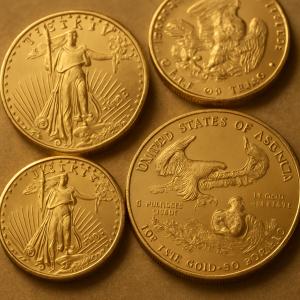
24k gold is considered pure gold, with no other metals mixed in. Its price per gram is the highest, reflecting its purity. This type of gold is often used in investment-grade coins and bars, appealing to investors seeking maximum value.
However, its softness makes it less suitable for everyday jewelry. Pure gold is prone to scratching and bending, which is why it’s often reserved for items where durability is not a primary concern. Collectors and investors appreciate 24k gold for its intrinsic value and its role as a store of wealth.
21k Gold Price Per Gram
21k gold contains 21 parts gold and 3 parts other metals, making it slightly less pure than 24k gold. As a result, its price per gram is lower. Currently, the 21k gold price per gram is insert current price.
This composition makes it more durable than 24k gold, making it a popular choice in regions where gold jewelry is worn regularly. The addition of other metals enhances its strength without significantly compromising its gold content. In many cultures, 21k gold jewelry is cherished for its blend of beauty and practicality.
18k Gold Price Per Gram

18k gold consists of 18 parts gold and 6 parts other metals. This karat is commonly used in high-quality jewelry due to its durability and rich color. The 18k gold price per gram is insert current price.
Its balance of gold content and strength makes it ideal for crafting intricate designs and pieces that require frequent wear. The additional metals, such as copper or silver, enhance its resilience while allowing jewelers to create stunning works of art. This karat is favored by those who seek both elegance and longevity in their jewelry.
14k Gold Price Per Gram
14k gold contains 14 parts gold and 10 parts other metals. It’s a popular choice for jewelry, combining affordability and durability. The 14k gold price per gram is insert current price. At pawn shops, the 14k gold price per gram may vary, so it’s essential to compare offers.
This karat offers a more budget-friendly option for those looking to own gold jewelry without compromising on quality. The higher proportion of other metals provides added strength, making it suitable for everyday wear. Its widespread availability makes it a versatile option for various styles and preferences.
10k Gold Price Per Gram
10k gold is composed of 10 parts gold and 14 parts other metals. It’s the least pure form of gold commonly used in jewelry. The 10k gold price per gram is insert current price. If you’re considering selling 10k gold at a pawn shop, remember that prices can differ based on the shop’s policies and market conditions.
While it has the lowest gold content among common jewelry alloys, its affordability and durability make it a practical choice for budget-conscious buyers. It’s ideal for items that need to withstand daily wear and tear. Understanding the market for 10k gold can help sellers maximize their returns when selling these pieces.
Gold Price Trends

by 3D Render (https://unsplash.com/@3drender)
Keeping an eye on gold price trends can help you make informed decisions about buying or selling gold. Here are a few trends to watch:
Historical Price Patterns
Gold prices have shown an upward trend over the past few decades, driven by increasing demand and economic uncertainties. However, prices can fluctuate significantly over shorter periods. Historical analysis reveals that gold often spikes during times of crisis, such as the 2008 financial meltdown or recent geopolitical tensions.
Understanding these patterns can provide valuable insights into the cyclical nature of gold markets. Investors often study past trends to anticipate future movements, although it’s important to remember that past performance does not guarantee future results. By recognizing long-term growth trajectories, investors can align their strategies with prevailing economic conditions.
Seasonal Fluctuations
Gold prices may experience seasonal fluctuations, often rising during times of high demand, such as the wedding season in India or major holidays worldwide. Cultural and traditional practices can significantly impact demand, influencing price changes during specific months.
For instance, the festive season in India, a major gold-consuming nation, often sees a surge in gold purchases, driving prices up. Similarly, Western holidays like Christmas and Valentine’s Day can boost demand for gold jewelry. Being aware of these seasonal patterns allows investors and buyers to time their transactions for optimal value.
Market Predictions
Experts often analyze market conditions and historical data to predict future gold prices. While these predictions can provide valuable insights, it’s essential to remember that they are not foolproof. Analysts use a variety of tools, including economic indicators, geopolitical developments, and technical analysis, to forecast gold price movements.
Despite the sophistication of these methods, unforeseen events can dramatically alter market dynamics. Keeping abreast of expert analyses while maintaining a degree of skepticism can help investors navigate the complexities of gold markets. Combining expert insights with personal research can lead to more informed investment decisions.
Tips for Buying and Selling Gold
If you’re considering buying or selling gold, here are some tips to keep in mind:
Research and Compare Prices
Before making a purchase or sale, research the current gold market price and compare offers from various dealers or pawn shops. This will help you get the best value for your gold. Utilize online platforms, market reports, and local retailers to gather comprehensive pricing information.
Negotiating with multiple sellers can yield better deals, especially when selling gold. Buyers should also be aware of hidden fees or commissions that may affect the final purchase price. An informed approach ensures that you’re not overpaying or underselling your gold assets.
Check the Gold Purity
When buying gold, ensure you know the karat and verify its authenticity. Look for stamps or certifications that indicate the gold’s purity. Reputable sellers often provide documentation or hallmarking to guarantee the gold’s quality.
Testing the gold’s purity through professional appraisal services can offer additional reassurance. Counterfeit gold is a concern in the market, so verifying authenticity protects your investment. Understanding the differences between karats and their implications on value is crucial for making wise purchasing decisions.
Consider Timing
While it’s impossible to predict the market perfectly, keeping an eye on trends and economic conditions can help you make more informed decisions about when to buy or sell gold. Timing your transactions can maximize returns or minimize costs.
For instance, buying during market dips or selling during peak demand periods can enhance profitability. Monitoring global events, such as economic reports or political developments, can provide clues about potential price movements. Strategic timing requires patience and a willingness to act based on market signals.
Stay Informed
Regularly monitor gold price trends and market news to stay informed about factors that may affect gold prices. Subscribing to financial newsletters, following market analysts, and participating in investment forums can enhance your understanding.
Staying informed empowers you to respond swiftly to market changes, protecting your assets from adverse movements. Engaging with the gold community, whether online or offline, can provide valuable insights and support. Continuous learning and adaptation are key to successful gold investment strategies.
Conclusion
Understanding how much gold is worth by the gram is crucial for anyone interested in the gold market. By considering factors like global economic conditions, currency fluctuations, and geopolitical events, you can make more informed decisions about buying or selling gold. Remember to research and compare prices, check gold purity, and stay informed about market trends to ensure you get the best value for your gold investments. As the market evolves, your knowledge and strategic approach will be your greatest assets in navigating the complexities of the gold landscape.
Frequently Asked Questions
Question: How much is gold worth per gram right now? Short answer: The live price for pure gold (24k) changes constantly with market conditions, so there isn’t a single fixed number. Use the current 24k (spot) price per gram as your baseline; remember that jewelry alloys (21k, 18k, 14k, 10k) are worth less per gram because they contain less pure gold. Always check a reliable, real-time price source before buying or selling.
Question: What factors drive the gold price per gram? Short answer: Gold prices move with global economic conditions (growth, inflation, and interest rates), currency fluctuations (especially the strength of the U.S. dollar), and geopolitical events that push investors toward safe-haven assets. Market dynamics—such as speculation, shifting investment trends, and demand for other commodities—also influence short-term moves. On the supply side, mining technology, production costs, and regulations can affect prices by changing how much gold reaches the market.
Question: How do different karats (24k, 21k, 18k, 14k, 10k) affect value and durability? Short answer: Higher karat means higher purity—and usually a higher price per gram—but also softer metal. 24k is pure and commands the highest price, but it’s softer and less ideal for daily-wear jewelry. 21k and 18k balance high gold content with improved durability, making them popular for quality jewelry. 14k and 10k contain more alloy metals, so they’re more durable and budget-friendly, but their per-gram value is lower because there’s less gold.
Question: How can I estimate the per-gram value of non-24k gold from the spot price? Short answer: Multiply the 24k (pure) price per gram by the karat’s purity fraction (karat ÷ 24). Examples: 21k ≈ 21/24 = 0.875, 18k = 0.75, 14k ≈ 0.583, 10k ≈ 0.417. Then adjust for real-world factors: dealer or pawn shop spreads, refining fees, and any premiums or discounts for craftsmanship or brand.
Question: Does timing matter when buying or selling gold? Short answer: Yes. Gold often rises during periods of economic stress or geopolitical tension as investors seek a safe haven, and it can see seasonal demand spikes (e.g., India’s wedding season and major holidays). While you can’t time the market perfectly, monitoring trends, economic news, and seasonal patterns can help you buy on dips, sell into strength, and get better overall value.