24k gold rate in usa
Understanding the current 24k gold rate is crucial for investors, collectors, and anyone considering purchasing gold. This precious metal holds a significant place in the investment world due to its enduring value and stability. Let’s dive into the details of the 24k gold rate in the USA and explore the factors influencing its cost.
Gold comes in different purities, and 24k gold is the purest form, containing 99.9% gold. This means it has no significant alloys mixed in, making it a preferred choice for investment. The pure nature of 24k gold, however, also makes it softer and less durable for everyday wear in jewelry compared to lower karat gold.
24k gold is composed almost entirely of gold atoms, making it free from impurities. This purity gives it a distinct yellow hue that is brighter and more vivid than lower karat gold. Its high level of purity also contributes to its hypoallergenic properties, making it suitable for individuals with sensitive skin.
Throughout history, 24k gold has been a symbol of wealth and power. Ancient civilizations, such as the Egyptians and Romans, used it in currency, jewelry, and art. Its historical significance continues to influence its demand today, as it remains a timeless representation of luxury and prestige.
Beyond investment and jewelry, 24k gold is used in various industrial applications. Its excellent conductivity makes it valuable in the electronics industry, where it is used in connectors, switches, and other components. Additionally, its resistance to corrosion and tarnish makes it ideal for high-precision instruments and aerospace technology.
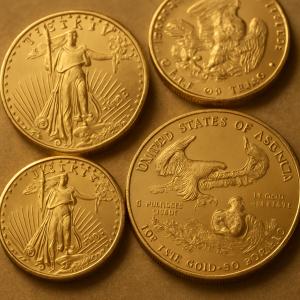
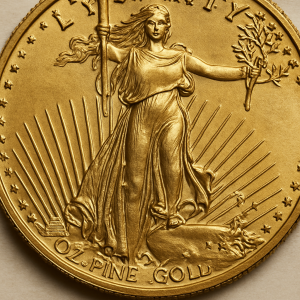
24k gold is popular for its purity and its value retention over time. It’s often used in gold bullion and coins, serving as a hedge against inflation and currency fluctuations. Investors and collectors alike prize it for its liquidity and global recognition.
One of the primary reasons for the popularity of 24k gold is its investment appeal. As a tangible asset, it offers a sense of security that paper investments cannot match. Its intrinsic value and rarity ensure that it remains a sought-after commodity, especially during economic downturns when traditional investments may falter.
In many cultures, 24k gold holds significant cultural and religious value. It is often used in ceremonies and rituals, symbolizing purity, prosperity, and divine favor. This cultural relevance contributes to its consistent demand in various regions around the world.
24k gold’s universal recognition enhances its desirability. Unlike other investments that may be region-specific, gold is a universally accepted form of currency and wealth. This global recognition ensures that it can be easily bought and sold in markets worldwide, providing liquidity and flexibility to investors.
The gold rate fluctuates daily due to various factors, including market demand, geopolitical events, and economic indicators. As of today, the 24k gold rate in the USA is a reflection of these dynamic factors.
The daily fluctuations in the gold rate are influenced by the intricate dance of market forces. Traders and investors closely monitor these changes to capitalize on buying and selling opportunities. The constant movement in prices highlights the need for investors to stay informed and agile in their decision-making.
Analyzing historical trends can provide valuable insights into future price movements. By examining past patterns, such as seasonal variations and responses to economic events, investors can develop strategies to optimize their gold investments. Understanding these trends helps in anticipating potential market shifts.
While the USA is a significant player in the gold market, regional variations can occur due to local economic conditions and demand. Factors such as import duties, currency exchange rates, and regional demand can lead to price differences across states. Understanding these regional nuances is crucial for investors operating within the domestic market. 
- Market Demand and Supply: Like any commodity, the demand and supply dynamics significantly affect gold prices. Increased demand or reduced supply can push prices up, while an oversupply or decreased demand can drive them down.
- Economic Indicators: Inflation rates, currency values, and interest rates play crucial roles in determining gold prices. For instance, when inflation is high, the value of currency decreases, leading investors to turn to gold as a safe haven, thus increasing its price.
- Geopolitical Events: Political instability or conflicts can lead to uncertainty in financial markets. During such times, gold is often seen as a safe investment, driving up its demand and price.
- Global Economic Conditions: The global economic climate, including the performance of major economies, affects gold prices. In times of economic downturn, gold prices tend to rise as investors seek security.
Technological Advancements
Technological advancements in mining and refining processes can influence gold supply, thereby affecting prices. Improved extraction methods can increase supply, while technological disruptions can lead to shortages. Monitoring these advancements helps investors understand potential shifts in the gold market.
Environmental Concerns
Environmental policies and concerns about sustainable mining practices are increasingly impacting the gold industry. Stricter regulations on mining operations can affect supply, while ethical considerations may influence consumer preferences. Awareness of these environmental factors is essential for understanding long-term price trends.
Currency Fluctuations
Currency fluctuations, particularly in major economies, can have a direct impact on gold prices. Since gold is often priced in U.S. dollars, changes in the dollar’s value relative to other currencies can lead to price adjustments. Investors must consider these currency dynamics when assessing gold’s potential performance.
Gold Rate Today: Comparing Global Prices
While the 24k gold rate in the USA is a key focus, it’s essential to consider how it compares globally. For instance, the gold rate in Pakistan today per tola 24k, the gold rate today in Vijayawada 24k, and the gold rate today in India can offer insights into regional price differences.
Gold Rate in Pakistan Today Per Tola 24k
In Pakistan, gold is often measured in tolas, a traditional weight unit. Today’s gold rate in Pakistan 24k per tola can vary based on local demand, currency value, and import taxes.
Influence of Local Economy
The local economy in Pakistan plays a significant role in determining the gold rate per tola. Economic stability, inflation rates, and government policies can all impact demand and pricing. Understanding these local economic conditions is crucial for those looking to invest in the Pakistani gold market.
Currency Exchange Rates
Fluctuations in the Pakistani rupee against major currencies can affect the gold rate. A weaker rupee often leads to higher gold prices, as it becomes more expensive to import gold. Keeping track of currency trends is essential for predicting price movements.
Import Duties and Taxes
Import duties and taxes are critical factors in determining the gold rate in Pakistan. Changes in government policy regarding these levies can lead to significant price shifts. Investors should be aware of any regulatory changes that might impact gold imports and pricing.
Gold Rate Today in Vijayawada 24k
Similarly, the gold rate today in Vijayawada 24k reflects regional trends and economic conditions. It may differ from other parts of India due to local taxes and demand.
Regional Demand
Vijayawada’s gold rate is heavily influenced by regional demand, driven by cultural practices and economic activities. Festivals, weddings, and other significant events often lead to spikes in demand, affecting prices. Understanding these cultural dynamics can help investors anticipate price changes.
State-Level Taxes
State-level taxes and levies can cause variations in gold prices across different Indian states. In Vijayawada, specific local taxes may apply, influencing the overall cost of gold. Being aware of these tax policies is vital for investors operating within the region.
Economic Growth and Development
The economic growth and development of Vijayawada contribute to its gold market. As the city expands and prospers, disposable income levels rise, leading to increased gold purchases. Monitoring the economic trajectory of the region can provide insights into future demand and price trends.
Investing in Gold: Tips and Strategies

Investing in gold can be a wise decision, but it requires careful planning and strategy.
Gold Investment Tips
- Diversify Your Portfolio: Don’t put all your eggs in one basket. While gold is a stable investment, diversifying across different asset classes can reduce risk.
- Stay Informed: Keep up with the latest gold price updates and market trends. Knowledge of the gold market trends can help you make informed decisions.
- Consider Long-Term Investment: Gold tends to hold its value over the long term. Short-term fluctuations are common, but a long-term perspective can yield better returns.
- Choose the Right Form: Decide whether to invest in physical gold (like coins and bullion) or paper gold (such as ETFs or gold mining stocks).
Risk Management
Managing risk is a crucial aspect of gold investment. By setting clear investment goals and establishing stop-loss limits, investors can protect their assets from significant losses. Regularly reviewing and adjusting investment strategies can help mitigate risks associated with market volatility.
Timing the Market
Timing the gold market requires a deep understanding of market cycles and trends. While it can be challenging to predict exact price movements, staying informed about economic indicators and geopolitical events can provide valuable insights for making timely investment decisions.
Leveraging Technology
Leveraging technology, such as online trading platforms and market analysis tools, can enhance investment strategies. These tools provide real-time data and analytics, enabling investors to make informed decisions and optimize their gold investment portfolios.
Gold Price Forecast and Market Trends
The future of gold prices depends on many variables, including economic policies, global market trends, and technological advancements. Analysts closely watch these factors to provide a gold price forecast.
Gold Bullion Prices
Gold bullion prices can offer a snapshot of the current market value of gold. It’s important to track these prices regularly, especially if you’re considering buying or selling gold.
Monitoring Spot Prices
Monitoring spot prices is essential for understanding current market conditions. Spot prices reflect the immediate buying and selling rates of gold, providing a real-time view of its market value. Staying updated on these prices helps investors make informed decisions.
Analyzing Futures Contracts
Futures contracts offer insights into market expectations for future gold prices. By analyzing these contracts, investors can gauge market sentiment and anticipate potential price movements. Understanding the dynamics of futures trading can enhance investment strategies.
Assessing Market Volatility
Market volatility plays a significant role in gold pricing. By assessing historical volatility patterns, investors can identify potential opportunities and risks. Understanding the factors that contribute to volatility can aid in developing effective investment strategies.
Future Market Trends
Emerging markets, environmental policies, and technological changes in mining could influence future gold prices. Staying updated on these trends can help investors anticipate potential changes in the gold market.
Impact of Emerging Markets
The rise of emerging markets can significantly impact gold demand and prices. As economies in Asia, Africa, and Latin America grow, their consumption of gold for investment and jewelry is likely to increase. Monitoring these markets can provide insights into future demand trends.
Technological Innovations
Technological innovations in mining and refining processes can alter the gold supply landscape. Advancements in extraction techniques can increase efficiency and reduce costs, potentially affecting market dynamics. Staying informed about these innovations is crucial for understanding future supply trends.
Environmental and Ethical Considerations
Environmental and ethical considerations are increasingly influencing consumer preferences and industry practices. As the demand for sustainable and ethically sourced gold rises, these factors may impact market prices and trends. Keeping abreast of these developments is essential for responsible investing.
Conclusion
The 24k gold rate in the USA is a dynamic figure influenced by a variety of global and local factors. By understanding these factors and staying informed about market trends, investors can make strategic decisions about buying, selling, or holding gold. Whether you’re an experienced investor or a newcomer to the gold market, keeping an eye on the current gold value and using informed strategies can help you navigate the complexities of gold investment successfully.
In conclusion, gold remains a valuable asset in any investment portfolio. Its stability and universal appeal make it a popular choice for those looking to safeguard their wealth. By keeping up with the latest gold price updates and market trends, you can ensure that your investments are well-informed and strategically sound.
The Role of Gold in Wealth Preservation
Gold’s role in wealth preservation is unparalleled, providing a hedge against economic uncertainty and inflation. Its historical performance as a store of value underscores its importance in maintaining financial stability across generations. Including gold in your investment strategy can enhance wealth preservation efforts.
Navigating Market Challenges
Navigating the complexities of the gold market requires diligence and adaptability. By continually monitoring market developments and adjusting strategies accordingly, investors can overcome challenges and capitalize on opportunities. Staying proactive and informed is key to successful gold investment.
Future Outlook for Gold Investment
The future outlook for gold investment remains promising, with numerous factors suggesting sustained demand and price stability. As global economic conditions continue to evolve, gold is likely to maintain its status as a reliable and valuable asset. Embracing a strategic approach to gold investment can yield long-term benefits.
Frequently Asked Questions
Question: What exactly is 24k gold, and is it suitable for jewelry?
Short answer: 24k gold is the purest form of gold (about 99.9% purity), giving it a bright yellow hue and hypoallergenic properties. Its softness makes it less durable for everyday jewelry compared to lower karat alloys, which is why 24k is favored more for investment (bullion and coins) than for frequent-wear pieces.
Question: Why does the 24k gold rate in the USA change so often?
Short answer: The price fluctuates daily due to market supply and demand, economic indicators (inflation, currency values, interest rates), geopolitical events, and overall global economic conditions. Additional influences include currency fluctuations (gold is priced in U.S. dollars), technological shifts in mining/refining that affect supply, and environmental regulations impacting production.
Question: How can I check today’s 24k gold rate in the USA and make sense of it?
Short answer: Monitor real-time spot prices, which reflect immediate market buying and selling rates, and keep an eye on futures contracts to gauge market expectations. Remember that retail quotes can vary by region due to local demand and taxes, and prices can move quickly, so staying updated helps with timely decisions.
Question: Why do gold prices differ between the USA, Pakistan (per tola), and Indian cities like Vijayawada?
Short answer: Local market conventions (such as pricing per tola in Pakistan), currency exchange rates, import duties and taxes, and regional demand lead to price differences. Cultural factors (festivals, weddings), state-level taxes (in India), and local economic conditions all contribute to variations even when global spot prices are the same.
Question: What are some practical strategies for investing in 24k gold?
Short answer: Diversify your portfolio, keep a long-term perspective, and choose the form that fits your goals—physical gold (coins/bullion) or paper exposure (ETFs, mining stocks). Manage risk with clear goals and stop-loss limits, use technology and real-time data to monitor spot and futures prices, and stay informed about economic and geopolitical developments that drive volatility.